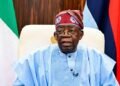
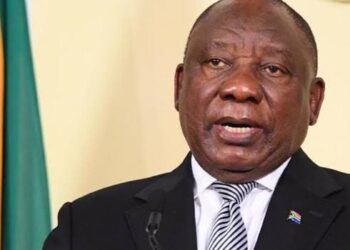
President Bola Tinubu has reaffirmed his commitment to economic reforms amid criticism of his policies, particularly the removal of the fuel subsidy.

Speaking during a media interaction, Tinubu maintained that the reforms were necessary for long-term economic stability and reiterated his belief that market forces would ultimately reduce inflation and alleviate hardship for Nigerians.
Tinubu described the removal of the fuel subsidy as a critical step to safeguard Nigeria’s economy from collapse, adding that the policy was in the nation’s best interest.
He noted that continuing the subsidy would have burdened future generations with unsustainable economic challenges.
Highlighting progress, the President cited a reduction in Nigeria’s debt service-to-revenue ratio from 78 per cent to 68 per cent within two years.
Despite acknowledging the need for additional borrowing, he stressed that such measures were essential to bridge infrastructure gaps and lay the groundwork for economic growth.
Tinubu also defended ongoing tax reforms, emphasizing that they are designed to be “pro-poor” and aimed at eliminating outdated economic practices.
He stated that these changes would expand Nigeria’s economic opportunities and ensure equitable benefits for all citizens.
Addressing food inflation and recent stampedes at food distribution centres, Tinubu blamed the incidents on poor organisation and impatience, contrasting the chaos with structured food bank systems in other countries.
He outlined plans to support local farmers through low-interest loans and improved security, aiming to enhance agricultural output and stabilise food prices.
The President further noted that efforts to reduce inflation include encouraging local pharmaceutical manufacturing, curbing unnecessary imports, and exploring agricultural export opportunities through the marine ecosystem.
He expressed confidence in achieving a 15 per cent inflation rate by next year, despite the current surge in food prices.
Tinubu highlighted significant reforms in energy, infrastructure, and education as part of his administration’s broader strategy.
The minimum wage increase from N35,000 to N70,000 and the introduction of a student loan scheme were cited as key policies to reduce poverty and combat corruption.
On the issue of national security, the President expressed confidence in the country’s security architecture and emphasised the importance of addressing the root causes of instability.
He pointed to Nigeria’s abundant mineral resources, including lithium deposits in Kaduna and Nasarawa, as opportunities to foster industrialisation and job creation.
Tinubu dismissed calls to downsize his cabinet, expressing satisfaction with their performance and efficiency in executing his policies.
He called for patience and cooperation from Nigerians, assuring them that the reforms would yield positive results in the near future.
Despite rising inflation and public discontent, Tinubu projected optimism about the country’s economic prospects, describing 2025 as a promising year.
He expressed gratitude for the trust placed in him by Nigerians, vowing to maintain focus on delivering lasting reforms and prosperity.