A group of United Nations human rights experts has raised concerns over what it described as credible reports of killings, abductions, sexual violence, forced conversions, child marriages and acts amounting to enforced disappearances targeting Christian and other religious minority communities in Nigeria, particularly women and girls.

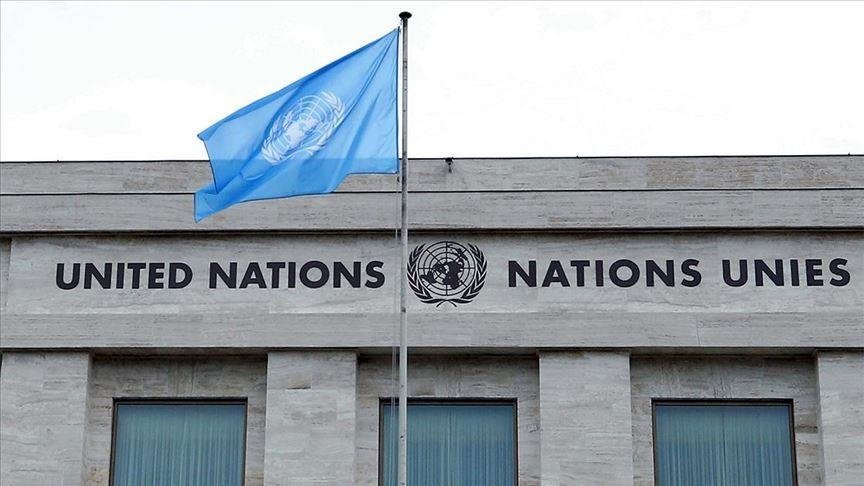
In a statement issued in Geneva, the independent experts said the allegations pointed to a worsening security situation in northern Nigeria and the Middle Belt, where armed extremist groups and other violent actors continue to inflict devastating consequences on civilians.
The experts, who were appointed by the United Nations Human Rights Council (UNHRC) to monitor and report on human rights issues worldwide, stressed that they serve in their personal capacities and are not members of UN staff.
According to the statement, groups including Boko Haram and the Islamic State West Africa Province (ISWAP), as well as radicalised individual herdsmen involved in the farmer-herder conflict, have taken advantage of what the experts described as a climate of impunity, institutional failures and inadequate protection by state authorities.
The UN officials said testimonies gathered from victims and survivors revealed widespread fear, trauma and coercion, warning that those affected must not be abandoned.
“The testimonies we have received paint a horrifying picture of fear, trauma, coercion and abandonment,” the experts said. “Victims and survivors must not be left without protection, justice, reparations, including rehabilitation and meaningful support.”
In a communication to the Nigerian Government, the experts highlighted several incidents, including the abduction and sexual assault of Christian women and the disappearance of girls abducted from a church in Borno State.
They also cited the alleged forced conversion and child marriage of a 13-year-old girl in Bauchi State, as well as an attack on a 16-year-old Christian girl whose hand was reportedly severed after her family rejected a forced marriage proposal by militants.
The statement was endorsed by Reem Alsalem, Special Rapporteur on violence against women and girls; Morris Tidball-Binz, Special Rapporteur on extrajudicial, summary or arbitrary executions; Nicolas Levrat, Special Rapporteur on minority issues; Alice Jill Edwards, Special Rapporteur on torture and other cruel, inhuman or degrading treatment or punishment; and members of the Working Group on Enforced or Involuntary Disappearances.
The experts said violence against Christians and other religious minorities remained widespread, citing local applications of Sharia law in 12 northern states, the enforcement of blasphemy laws and what they described as longstanding challenges in accessing justice.
They expressed particular concern over the vulnerability of Christian women and girls to discrimination, violence and exploitation.
“We are particularly alarmed at the very specific and heightened risks of discrimination, violence and exploitation that Christian women and girls are exposed to, as we continue to document grave cases of sexual violence, abductions, acts tantamount to enforced disappearances, forced conversion and child marriage amongst them,” they said.
According to the experts, the incidents formed part of a broader pattern of violence and persecution disproportionately affecting Christian communities in some northern states.
They also pointed to killings, attacks on churches and villages, mass displacement, mob violence linked to allegations of blasphemy and insecurity in camps housing internally displaced persons, particularly women and children.
The statement further alleged that displaced Christian and other minority women and girls remained vulnerable to sexual exploitation and abuse, including situations in which they were reportedly coerced into sexual acts in exchange for food and other necessities.
Some women and girls, the experts added, were said to conceal their religious identity or wear hijabs as a survival strategy to avoid violence or gain acceptance in areas controlled by armed groups or religious actors.
The experts warned that, if substantiated, the allegations could amount to serious violations of international human rights law.
“If confirmed, these allegations may amount to serious violations of international human rights law, including violations of the rights to life, safety, liberty, security, freedom of religion or belief, freedom from torture, enforced disappearance, slavery and trafficking, and the rights of women and children,” they said.
They urged Nigerian authorities to take urgent steps to protect vulnerable communities, secure the release and recovery of abducted women and girls and ensure independent, impartial and thorough investigations into the allegations.
The experts also called for the prosecution of those responsible and the provision of effective remedies and support for victims and survivors.
“Impunity for these crimes only fuels further violence,” the experts said. “Nigerian authorities must act urgently to prevent further irreparable harm and ensure accountability for all violations.”