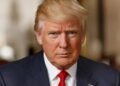
President Donald Trump has signed an executive order significantly increasing the sponsorship fee for H-1B work visas, raising it from between $5,000–$6,000 to $100,000 per year for U.S. companies wishing to hire workers from Nigeria and other countries.

The proclamation, made during an event at the White House on Friday, also unveiled a “gold card” visa option. Under this scheme, individuals or corporations can pay between $1 million and $2 million, depending on the category, to receive expedited permanent residency in the United States.
Commenting on the move, President Trump said,
“The main thing is, we’re going to have great people coming in, and they’re going to be paying.”
“You can prove exceptional value to the United States of America by contributing a million dollars to the United States of America.”
The H-1B program previously allowed companies to sponsor foreign workers with specialized skills for an initial three-year period (renewable), with visa costs varying across industries.
The administration says the change is part of its broader effort to clamp down on what it views as companies taking advantage of the H-1B program to secure cheaper labour at the expense of U.S. citizens.
Supporting the decision, U.S. Commerce Secretary Howard Lutnick stated,
“If you’re going to train somebody, you’re going to train one of the recent graduates from one of the great universities across our land. Train Americans. Stop bringing in people to take our jobs.”
Industry experts warn that this dramatic increase in visa costs may severely affect sectors such as technology, finance, and healthcare, which rely heavily on the approximately 85,000 annual slots available under the H-1B program to fill critical skills gaps.