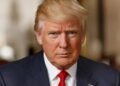
The Nigerian Senate has constituted an ad-hoc committee to investigate alleged religious crises across the country, following recent remarks by U.S. President Donald Trump accusing Nigerian authorities of ignoring what he described as a “Christian genocide.”

The move, announced by Senate President Godswill Akpabio during plenary, underscores the legislature’s intention to demonstrate transparency and reaffirm Nigeria’s commitment to religious harmony amid growing international scrutiny.
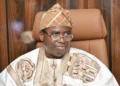
The committee will be chaired by Senator Abubakar Sani Bello, who represents Niger North and currently heads the Senate Committee on Foreign Affairs.
President Trump’s comments, made during a press briefing in Washington, triggered diplomatic unease and global reactions. He alleged that Christians in Nigeria were being “slaughtered in their thousands” by extremists and warned that the U.S. “may very well go into that now disgraced country guns-a-blazing” if the killings persist.
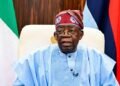
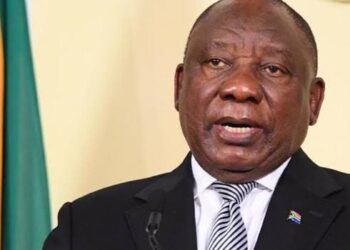
In a swift response, President Bola Ahmed Tinubu dismissed the allegations, describing them as “unfounded and unhelpful.” He maintained that Nigeria upholds freedom of religion and that the country’s security challenges affect citizens “irrespective of faith or ethnicity.”
“The characterisation of Nigeria as religiously intolerant does not reflect our national reality,” Tinubu said, emphasising that Nigeria remains committed to protecting all faith communities in partnership with international allies—while insisting that any form of foreign military involvement would require Nigeria’s consent and cooperation.
The Senate’s decision to establish the ad-hoc committee is widely seen as a proactive measure to manage both internal concerns and external diplomatic pressures. By appointing Senator Sani Bello to lead the investigation, the Senate seeks to project credibility and balance in addressing the sensitive issue of religious conflict.
Lawmakers have lauded Senator Bello’s appointment, noting his reputation for calm and fair leadership. Senate President Akpabio described him as “a steady hand in moments of national sensitivity,” adding that his dual role as head of the Foreign Affairs Committee “brings essential diplomatic perspective to a matter of such global importance.”
In a statement signed by his media adviser, Muawiyah Yusuf Muye, Senator Bello pledged to carry out the assignment “with integrity, diligence, and an unwavering commitment to peace.”
According to Senate sources, the committee’s mandate includes investigating claims of religious persecution, consulting with security agencies, gathering testimonies from affected communities, and producing policy recommendations to strengthen interfaith relations and early-warning systems against sectarian violence.
The committee’s membership cuts across party lines and includes Senators Adamu Aliero, Victor Umeh, Etim Bassey, Niyi Adegbonmire, Abdul Ningi, Tony Nwoye, Mukhail Abiru, and Mohammed Tahir Monguno.
Political observers say the Senate’s move represents a critical step in reshaping Nigeria’s image abroad while addressing domestic anxieties over religious coexistence.
As the committee prepares to commence its hearings, expectations remain high that its findings will help Nigeria counter divisive narratives, reinforce national unity, and project a clear message that the country remains committed to peace, justice, and mutual respect among all faiths.