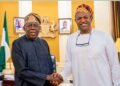


Sule Abdulaziz, Managing Director and CEO of the Transmission Company of Nigeria (TCN), has revealed that Nigeria supplies 24-hour electricity to neighboring countries Togo and Benin.

This disclosure comes amid ongoing discussions in Nigeria regarding the recent power grid collapse.
“We supply Togo, Benin, and Niger. They get power from Nigeria on a 24-hour basis, and they are paying for it,” Abdulaziz stated during an appearance on Channels TV’s Politics Tonight program on Sunday.
When asked why many Nigerians do not enjoy uninterrupted power, Abdulaziz clarified, “Nigerians are getting 24-hour supply, but it’s not everyone. Those in Band A receive 20-22 hours of power supply.”
Abdulaziz expressed optimism about achieving nationwide consistent electricity supply within five years. “I am telling you we can get consistent power supply in less than five years. The new minister is looking at the problems; he is not doing cosmetic showdowns,” he said.
Addressing the issue of power grid collapses, Abdulaziz emphasized that such incidents do not always stem from TCN. “If there is a system collapse, it doesn’t mean all the problems are from TCN.
It can be from generation, transmission, or distribution. Some of these can also come from disasters,” he explained, stressing that TCN is responsible for grid management.
He also took the opportunity to differentiate TCN from the defunct National Electric Power Authority (NEPA). “People have to understand the difference between the TCN and NEPA.
When we were NEPA, we handled generation, transmission, distribution, and marketing. But now, we only manage transmission,” he explained, adding that many still blame TCN for issues beyond its control.
Abdulaziz further highlighted the infrastructure challenges facing Nigeria’s power sector, noting that much of the equipment is outdated. “Most of the equipment we use is over 50 years old,” he lamented.
On electricity pricing, the TCN boss argued that electricity in Nigeria is relatively affordable. “We feel it’s expensive because we are getting it at a cheaper price.
If you go to other African countries, like Burkina Faso, Senegal, and Niger, electricity is more expensive than in Nigeria,” he stated.