

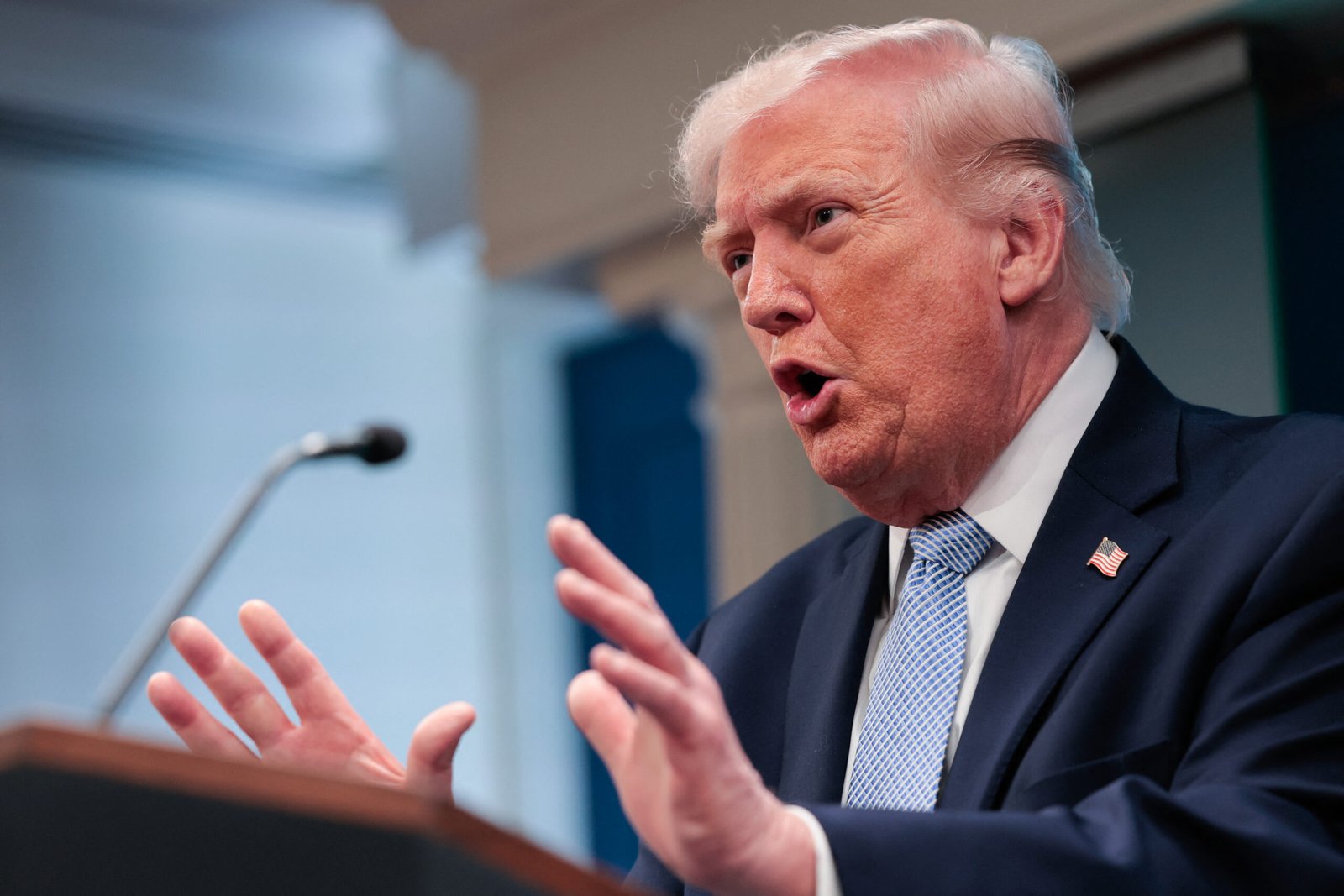
Iran has maintained a defiant stance as a deadline issued by former U.S. President Donald Trump approaches, raising fears of a major escalation in the ongoing Middle East conflict.

Tehran rejected a ceasefire proposal backed by international mediators, instead presenting its own conditions, including broader regional considerations, sanctions relief, and reconstruction commitments.
Despite ongoing diplomatic efforts, Trump reiterated his ultimatum, warning that the United States could launch extensive strikes targeting key Iranian infrastructure—including bridges, power plants, and energy facilities—if no agreement is reached by the set deadline.
Speaking ahead of the deadline, Trump signalled the severity of potential action, stating that Iran could face overwhelming military force if it fails to comply with U.S. demands.
Iranian officials, however, dismissed the threats, insisting that the country would not be coerced into concessions. Authorities also warned of “devastating” retaliation should such strikes be carried out, heightening concerns over a wider regional conflict.
Meanwhile, military activity has intensified across the region, with continued airstrikes and missile exchanges reported, alongside disruptions to critical infrastructure and heightened security alerts in neighbouring countries.
The Strait of Hormuz—a vital global oil route—remains a central point of contention, with its partial closure contributing to rising oil prices and increasing global economic uncertainty.
Analysts warn that failure to reach a diplomatic breakthrough before the deadline could trigger large-scale attacks and further destabilise the region, with significant humanitarian and economic consequences.