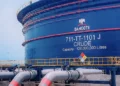


The OPEC+ alliance is poised to approve another oil output increase of 411,000 barrels per day (bpd) at its upcoming meeting on Saturday, according to market analysts. The hike, expected to take effect in August, mirrors the group’s targets for May, June, and July.

The meeting set to be held virtually will bring together key members of the alliance, including Saudi Arabia, Russia, Iraq, the United Arab Emirates, Kuwait, Kazakhstan, Algeria, and Oman. Analysts widely predict the bloc, led by Saudi Arabia and Russia, will maintain its new strategy of gradually ramping up production.
The 23 member OPEC+ group, which includes the 12 members of the Organization of the Petroleum Exporting Countries (OPEC) and their allies, initially implemented production cuts in 2022 to stabilize falling oil prices. However, in a significant policy pivot, eight key members dubbed the “Voluntary Eight” (V8) opted to increase output starting in May 2025, a move that surprised markets and drove prices down to the $65–$70 per barrel range.
“The group has placed an increased focus on regaining market shares over price stability,” said Ole Hansen, an analyst at Saxo Bank.
UBS analyst Giovanni Staunovo noted that the group is expected to justify the continued production hikes by pointing to “low inventories and solid demand as reasons for the faster unwind of the production cuts.”
He also cited internal challenges within the bloc. “The failure of some OPEC member countries, such as Kazakhstan and Iraq, to stick to their output quotas is a factor supporting the decision,” Staunovo said.
Saudi Arabia, OPEC’s de facto leader, may also be leveraging the production increase to pressure non-compliant members by lowering global prices and, consequently, oil revenues.
Still, the actual impact of the projected 411,000 bpd hike may be limited. Jorge Leon, an analyst at Rystad Energy, estimated the increase would result in only “around 250,000 or 300,000” additional barrels entering the market.
Data from Bloomberg showed that despite the doubled quotas in May, the alliance’s production rose by just 200,000 bpd.
No Impact from Israel-Iran Conflict
Analysts say the recent 12-day conflict between Iran and Israel is unlikely to influence OPEC+ decisions. While the escalation initially pushed oil prices above $80 per barrel over concerns about potential disruptions in the Strait of Hormuz, those fears have since subsided.
“There were no supply disruptions so far,” Staunovo said, adding that the conflict is “unlikely to impact the decision” by OPEC+.
Hansen agreed, suggesting the situation may, if anything, justify further increases in production. “If Iran’s ability to produce and export gets disrupted which is unlikely it would support a continued rapid production increase,” he said.
As the alliance moves ahead with its plans, the market appears to have priced in the expected output hike, with little anticipation of a significant shift in oil prices following the meeting.