South Korea’s Foreign Minister, Cho Hyun, has travelled to the United States to address diplomatic tensions following a large-scale immigration raid at a Hyundai-LG battery plant in Georgia, where hundreds of Korean workers were detained.

According to officials in Seoul, negotiations with U.S. authorities have secured the release of about 300 Korean nationals who were caught up in the operation. They are expected to return home under a “voluntary departure” arrangement, with a chartered flight scheduled once administrative processes are completed.
The raid, which took place at Hyundai and LG Energy Solution’s $4.3 billion electric vehicle battery facility, resulted in 475 arrests and has been described as the largest single-site enforcement action ever carried out by the U.S. Department of Homeland Security. Most of those detained were subcontractor workers rather than direct Hyundai employees.
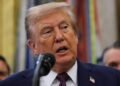
The U.S. government has defended the operation as part of a wider immigration enforcement effort. President Donald Trump, who initially said he had not been informed of the raid beforehand, later warned multinational companies to “respect our Nation’s immigration laws.” At the same time, he stressed that the United States welcomed “very smart people, with great technical talent” who entered the country legally to contribute to its industries.
The fallout has forced Hyundai and LG to suspend non-essential business travel to the U.S. and recall some staff. Meanwhile, South Korean leaders are calling for changes to visa processes to prevent a repeat of such incidents.
The raid has cast a shadow over broader economic ties between Washington and Seoul. Only recently, South Korea pledged to invest $350 billion in the United States, highlighting the scale of their partnership. The incident has now raised questions about how to balance strict immigration enforcement with the need to maintain strong trade and investment relations.
Cho Hyun’s visit is expected to focus on ensuring the swift repatriation of affected workers and securing better coordination between the two countries in handling future cases.