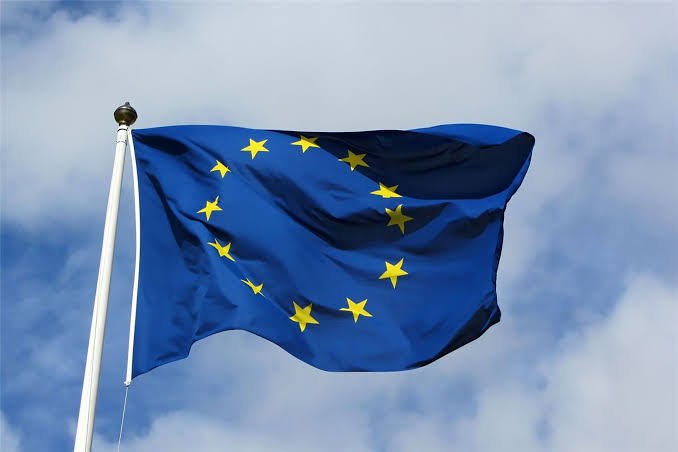
The European Commission has softened its plan to phase out the sale of new petrol and diesel cars by 2035, easing earlier proposals after sustained pressure from carmakers across the bloc.

Under the existing framework, all new vehicles sold from 2035 were expected to be “zero emission”. However, a revised proposal from the Commission would require 90 per cent of new car sales from that date to meet the zero-emission standard, rather than 100 per cent.
The remaining 10 per cent would comprise conventional petrol or diesel vehicles and hybrids. Carmakers would also be required to use low-carbon steel produced within the EU and increase the use of biofuels and so-called e-fuels, synthesised from captured carbon dioxide, to offset additional emissions.
The European Automobile Manufacturers’ Association (ACEA) has argued that demand for electric vehicles remains too weak and that manufacturers face the risk of “multi-billion euro” penalties without greater regulatory flexibility.
Critics, however, have warned that the move could slow the transition to electric vehicles and weaken the EU’s competitive position globally.
Green transport group Transport and Environment (T&E) urged the UK not to follow the EU’s lead by diluting its own Zero Emission Vehicles (ZEV) mandate.
“The UK must stand firm. Our ZEV mandate is already driving jobs, investment and innovation into the UK. As major exporters we cannot compete unless we innovate, and global markets are going electric fast,” said T&E UK director Anna Krajinska.
Ahead of the Commission’s announcement, ACEA Director General Sigrid de Vries said flexibility for manufacturers was “urgent”.
“2030 is around the corner, and market demand is too low to avoid the risk of multi-million-euro penalties for manufacturers,” she said.
“It will take time to build the charging points and introduce fiscal and purchase incentives to get the market on track. Policy makers must provide breathing space to manufacturers to sustain jobs, innovation and investments.”
UK carmakers have also called for stronger incentives to boost electric vehicle uptake ahead of the government’s planned ban on new petrol and diesel car sales by 2030.
Across the industry, manufacturers have invested billions of euros to retool production lines as governments push greener transport to meet climate targets.
Volvo said it had “built a complete EV portfolio in less than 10 years” and was ready to go fully electric, using hybrids only as a transition. The company argued that if it could move away from petrol and diesel vehicles, others could too.
“Weakening long-term commitments for short-term gain risks undermining Europe’s competitiveness for years to come,” Volvo said.
“A consistent and ambitious policy framework, as well as investments in public infrastructure, is what will deliver real benefits for customers, for the climate, and for Europe’s industrial strength.”
German carmaker Volkswagen welcomed the Commission’s draft proposal on new CO₂ targets, describing it as “economically sound overall”.
“The fact that small electric vehicles are to receive special support in future is very positive. It is extremely important that the CO₂ targets for 2030 are made more flexible for passenger cars and adjusted for light commercial vehicles,” the company said.
“Opening up the market to vehicles with combustion engines while compensating for emissions is pragmatic and in line with market conditions.”
Colin Walker, head of transport at the Energy and Climate Intelligence Unit, said stable UK policy would help sustain investment in charging infrastructure and protect jobs.
“It was government policy that saw Sunderland chosen to build Nissan’s original electric Leaf, and today the latest Nissan EV has started rolling off the production lines in the North East, securing jobs for years to come,” he said.
Octopus Electric Vehicles chief executive Fiona Howarth warned that weakening UK targets in response to the EU shift would send a “damaging signal to investors, manufacturers and supply-chain partners”.
Many companies, she said, had already invested heavily in the transition “on the assumption the UK would stay the course.”