The Economic Community of West African States (ECOWAS) has taken a major step towards advancing the proposed $25 billion Nigeria-Morocco African Atlantic Gas Pipeline, following the signing of an intergovernmental agreement by member states.

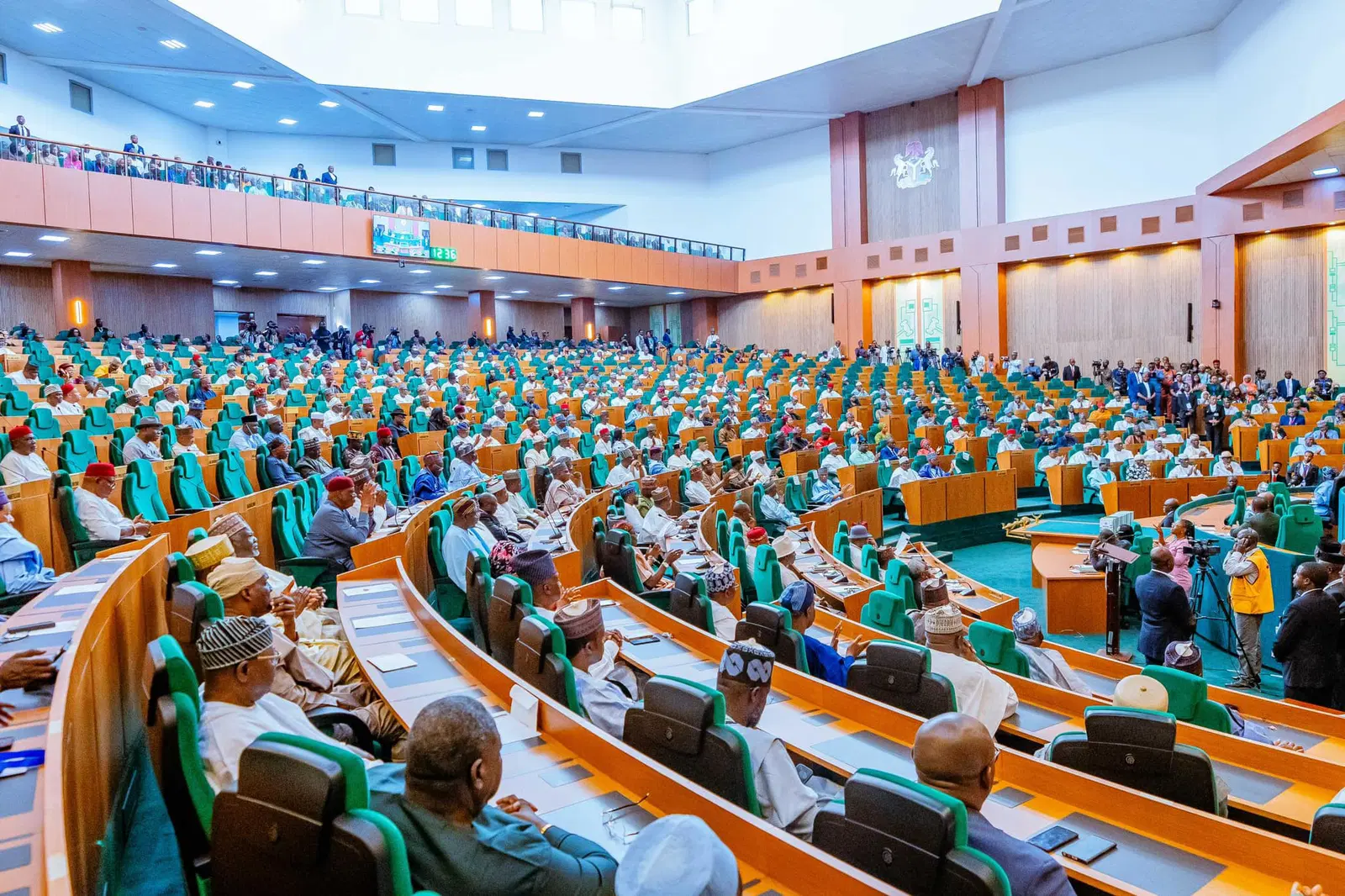
The agreement, endorsed during the 69th Ordinary Session of the ECOWAS Authority of Heads of State and Government in Freetown, Sierra Leone, provides the legal and institutional framework for one of Africa’s most ambitious cross-border energy infrastructure projects.
The Nigeria-Morocco Gas Pipeline is expected to stretch approximately 6,900 kilometres, linking Nigeria’s vast natural gas reserves to Morocco through 13 West African countries before connecting to the European gas network. The project is designed to strengthen regional energy security, expand electricity access, drive industrialisation and create new export opportunities for participating countries.
The agreement also reinforces the commitment of ECOWAS member states to harmonise regulatory and legal frameworks required for the implementation of the transcontinental pipeline, while enhancing cooperation on financing, governance and project execution.
Initially launched in 2016 by Morocco’s King Mohammed VI and former Nigerian President Muhammadu Buhari, the African Atlantic Gas Pipeline has since completed its feasibility and Front-End Engineering Design (FEED) studies. The project is expected to be developed in phases through a joint venture involving the Nigerian National Petroleum Company (NNPC) Limited and Morocco’s National Office of Hydrocarbons and Mines (ONHYM).
When completed, the pipeline is projected to transport up to 30 billion cubic metres of natural gas annually, supplying West African markets, meeting Morocco’s domestic energy needs and facilitating gas exports to Europe. Beyond energy trade, the project is expected to stimulate economic integration, attract investment and support industrial development across the region.