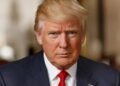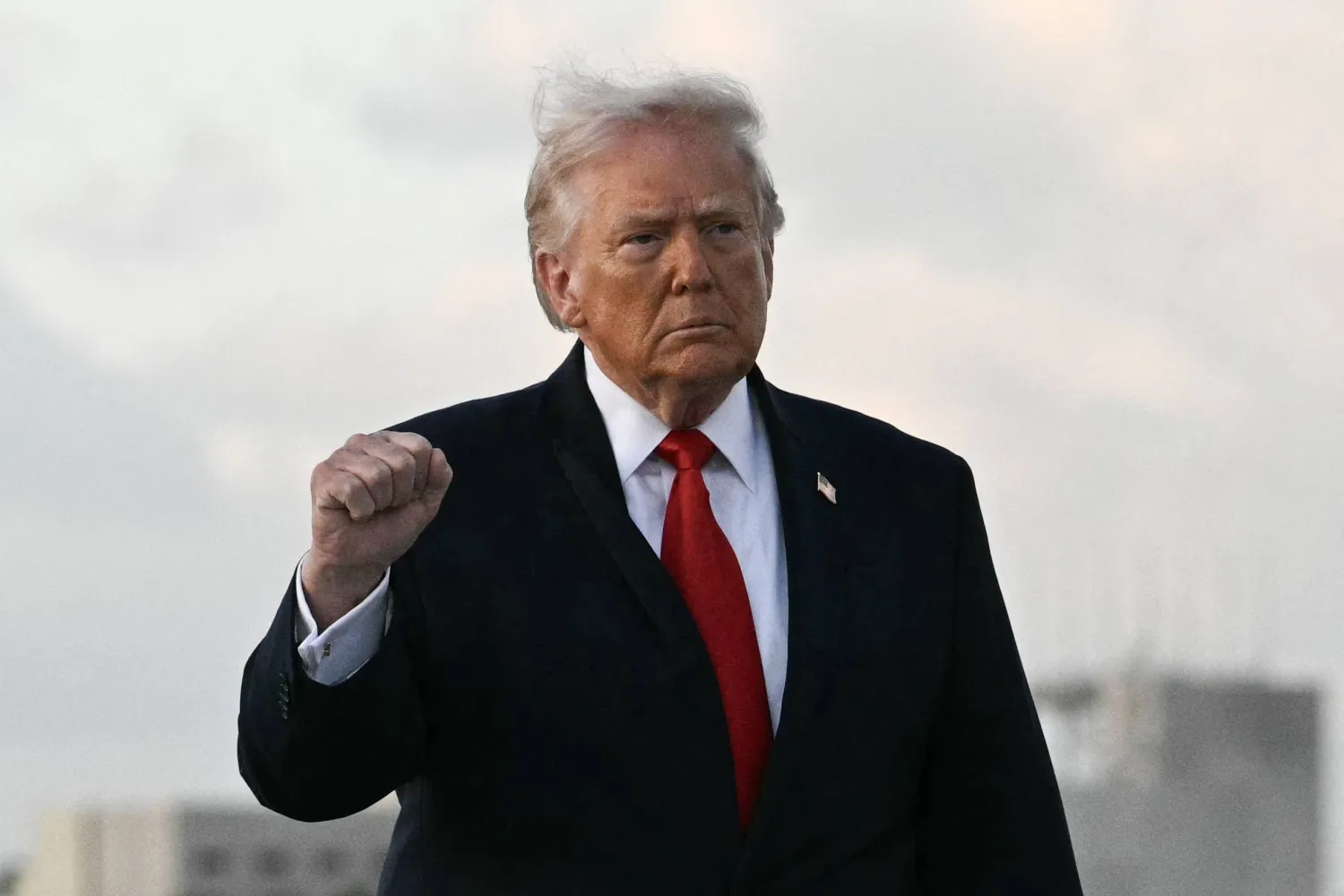
U.S. President Donald Trump has insisted that Washington does not require China’s assistance to end the ongoing conflict with Iran, as tensions continue to escalate around the strategically vital Strait of Hormuz.

Speaking on Tuesday ahead of a scheduled summit in Beijing, Trump said the United States would prevail in the conflict regardless of international involvement.
“I don’t think we need any help with Iran. We’ll win it one way or the other, peacefully or otherwise,” Trump told reporters.
His remarks came amid fading hopes for a broader peace agreement more than a month after a fragile ceasefire between both sides came into effect.
According to sources familiar with the matter, Iran has tightened its grip on the Strait of Hormuz through new energy shipping arrangements involving Iraq and Pakistan.
The Strait of Hormuz remains one of the world’s most critical oil transit routes, carrying nearly one-fifth of global oil supplies.
U.S. officials also disclosed that Washington and China had agreed last month that no country should impose tolls or restrictions on maritime traffic passing through the region.
Trump is expected to hold talks with Chinese President Xi Jinping later this week, with Washington reportedly hoping Beijing could encourage Tehran to negotiate an end to the conflict.
The United States has continued to demand that Iran abandon its nuclear programme and ease restrictions around the Strait of Hormuz, while Tehran has insisted on compensation for war-related damages and an end to American military pressure in the region.
As the economic consequences of the conflict deepened, Trump dismissed suggestions that rising fuel prices and inflation were influencing his stance on Iran.
“The only thing that matters, when I’m talking about Iran, they can’t have a nuclear weapon,” he said before departing the White House.
Global oil prices continued to climb amid fears of prolonged supply disruptions, with Brent crude reportedly rising above $107 per barrel.
Meanwhile, the Pentagon disclosed that the financial cost of the conflict had risen to $29 billion, as recent opinion polls indicated growing public concern in the United States ahead of November’s midterm elections.