Mexico has reversed plans to shorten the academic calendar ahead of next year’s FIFA World Cup following widespread criticism from parents, policy groups and regional authorities.

The government confirmed on Monday that the school year would proceed as originally scheduled after consultations led by education officials and local stakeholders.
The controversy began on Friday when Education Secretary Mario Delgado unexpectedly announced that the school year would end about 40 days earlier than planned, on June 5. Delgado said the proposal was linked partly to preparations for the World Cup and ongoing heat wave concerns.
However, President Claudia Sheinbaum quickly expressed reservations about the proposal and ordered further consultations with parents, education authorities and other stakeholders.
Following Monday’s meeting, the Education Department confirmed that schools would maintain the original calendar, with the academic year ending on July 15 and classes resuming on August 31.
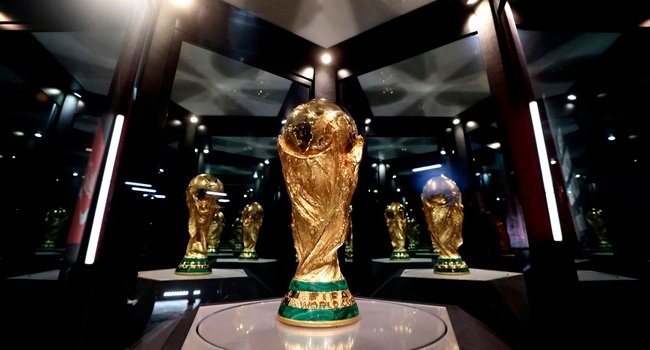
The 2026 FIFA World Cup, which will be jointly hosted by Mexico, the United States and Canada, is scheduled to begin on June 11, with Mexico opening the tournament against South Africa in Mexico City.
“The idea is to keep the vacation period to six weeks, as it has always been, and perhaps some students will start early, while others will continue with the previous schedule,” Sheinbaum said earlier.
“The goal is for it to be a consensus decision,” she added. “Now we need to listen.”
Before the proposal was officially abandoned, two Mexican states had already rejected the plan.
Parents and education advocates also criticised the move, warning that reducing classroom time could negatively affect students’ academic progress.
Policy think tank Mexico Evalua argued that the proposal would significantly reduce instructional time for millions of learners.
“The decision… will reduce effective learning time even more for 23.4 million students,” the organisation said in a report.
Sheinbaum also assured the public that the government would provide the necessary security arrangements for the tournament and complete major infrastructure projects linked to the World Cup, including upgrades to the Estadio Azteca and improvements at Mexico City International Airport.
AFP