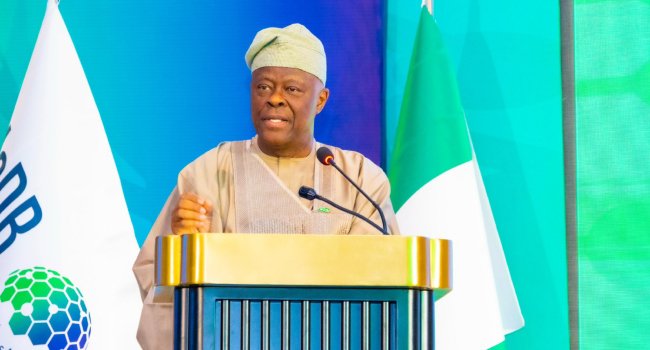
Nigeria’s Minister of Finance and Coordinating Minister of the Economy, Wale Edun, has described the country’s economy as being in a state of “shock,” citing the impact of global and domestic pressures on key economic indicators.

Edun noted that recent developments in the global oil market have transmitted significant volatility into Nigeria’s economy, particularly affecting crude oil prices and government revenues.
According to the minister, the ongoing geopolitical tensions—especially disruptions linked to the Middle East—have contributed to instability in energy markets, with ripple effects on inflation, foreign exchange, and overall economic performance.
External Pressures Mount
The minister explained that Nigeria’s heavy reliance on crude oil exports makes it especially vulnerable to global shocks, noting that fluctuations in oil prices directly influence fiscal stability and external reserves.
Recent global events have intensified these pressures, as rising energy costs and supply disruptions continue to affect economies worldwide. Analysts warn that such shocks often translate into higher inflation and increased cost of living, particularly in import-dependent economies like Nigeria.
Despite the current strain, Edun maintained that ongoing economic reforms are aimed at stabilising the economy and laying the groundwork for sustainable growth.
He reiterated the government’s commitment to policies designed to boost investor confidence, improve revenue generation, and support long-term economic resilience.
Previous projections have suggested moderate growth in the coming years, even as reforms continue to reshape the economic landscape.
Balancing Shock and Stability
While acknowledging the immediate challenges, the minister stressed that the reforms being implemented are necessary to reposition the economy for future stability.
Nigeria has undergone significant policy shifts in recent years, including subsidy removal and exchange rate adjustments—measures that, although painful in the short term, are expected to strengthen macroeconomic fundamentals over time.
The statement underscores the delicate balance policymakers must maintain as they navigate external shocks while sustaining economic recovery efforts.