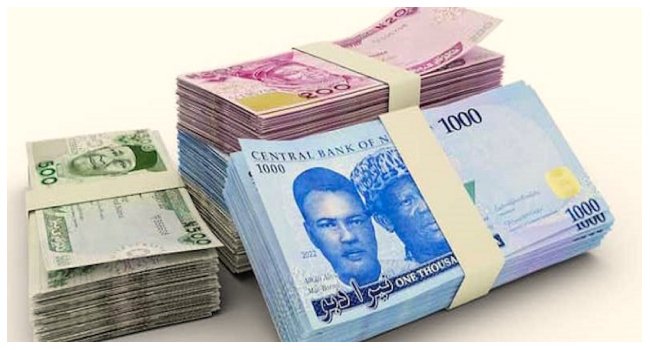
Nigeria’s Federal Government has increased its 2026 borrowing plan by ₦11.31 trillion, bringing the total projected borrowing to ₦29.20 trillion, in a move aimed at addressing fiscal gaps and financing key expenditures.

The revised figure represents a significant upward adjustment from earlier projections, reflecting growing funding needs amid persistent budgetary pressures and economic demands.
The borrowing plan forms part of the government’s broader fiscal strategy to manage deficits, fund infrastructure projects, and sustain public spending. Analysts note that the increase underscores the widening gap between government revenue and expenditure, necessitating greater reliance on both domestic and external debt.
Recent budget frameworks have already indicated a trend of rising borrowing requirements, largely driven by declining revenues relative to spending and expanding fiscal deficits.
Economic observers have raised concerns about the implications of the growing debt profile, particularly in relation to debt servicing costs and long-term sustainability. However, government officials maintain that the borrowing is structured to support development priorities and stimulate economic growth.
The adjustment also aligns with ongoing efforts to balance fiscal stability with the need for continued investment in critical sectors of the economy.
The development comes amid heightened scrutiny of Nigeria’s debt levels, with stakeholders calling for prudent borrowing, improved revenue generation, and efficient utilisation of funds to ensure sustainable economic management.