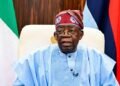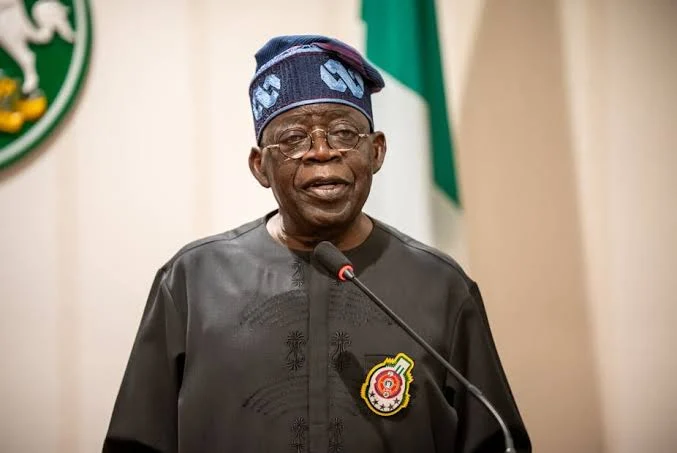
President Bola Tinubu has approved the payment of ₦2.8 trillion to electricity generation companies (GenCos) as the Federal Government’s verified liability, significantly reducing the operators’ initial claim of about ₦6 trillion.

The decision followed months of negotiations and a comprehensive audit of the claims submitted by the power producers. Presidency and power ministry officials said the President rejected the higher figure and insisted that government would not pay beyond the amount confirmed through verification.
According to a source familiar with the discussions:
“That is your claim… but I’m not going to pay N6tn just because you said the government owes you. We are going to audit.”
The audit, conducted through a tripartite process involving the Ministry of Finance, the Nigerian Bulk Electricity Trading Plc (NBET) and the GenCos, established the verifiable legacy debt at ₦2.8 trillion, which has now received presidential approval.
Officials disclosed that the government had earlier issued a ₦501 billion bond in January 2026 under the Presidential Power Sector Debt Reduction Programme as a demonstration of good faith while the verification was ongoing.
Part of the approved payment will be tied to specific conditions. The Presidency directed that a significant portion of the funds be used to settle GenCos’ outstanding obligations to gas suppliers, a move aimed at improving gas availability and stabilising electricity generation.
The power sector has struggled with persistent liquidity challenges since the 2013 privatisation, largely due to regulated tariffs that fall short of actual production costs and a growing subsidy burden. The debt, which dates back to 2010, has been increasing amid monthly shortfalls in market payments.
Five generation companies have already signed settlement agreements worth ₦827.16 billion, to be paid in phased instalments, while the balance of the approved amount is expected to be cleared over the next 12 to 24 months.
The intervention is part of broader efforts by the Federal Government to restore liquidity to the electricity value chain, improve operational stability and prevent further deterioration of power supply across the country.