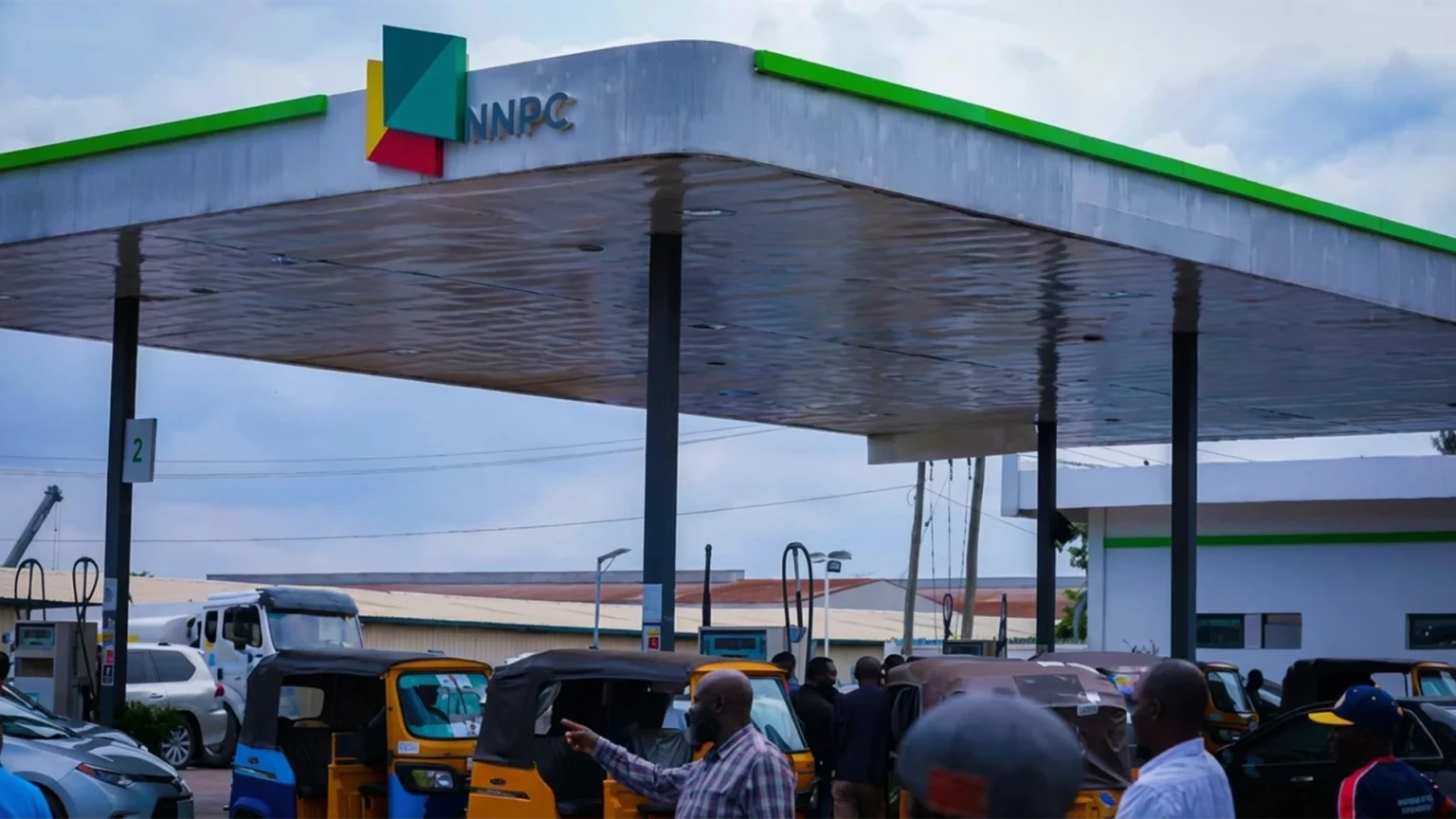
The Nigerian National Petroleum Company Limited (NNPCL) has signed a tripartite Memorandum of Understanding (MoU) with China Gas Holdings Limited and Peiyang Chemical Singapore PTE Ltd. (PCCS) to enhance Nigeria’s domestic energy infrastructure and accelerate gas development across the country.

The agreement, signed at the company’s headquarters in Abuja, establishes a framework for collaboration across critical segments of the natural gas value chain.
Under the arrangement, the partners will focus on liquefied natural gas (LNG) development, including flare-gas-to-LNG, floating LNG and onshore LNG projects. The pact also covers gas-fired power generation and industrial facilities that will utilise domestic gas feedstock.
NNPCL said the MoU is intended to align international technical expertise with Nigeria’s energy priorities while providing a structured governance system to move projects from feasibility studies to commercial execution.
Speaking at the signing ceremony, the Managing Director of PCCS, Tim Tian, emphasised the importance of rapid infrastructure expansion, noting that “fast-tracking scalable gas infrastructure will be critical to converting resources into jobs, reliable power and industrial growth.”
Meanwhile, the Niger Delta Power Holding Company (NDPHC) has completed the second phase of its 2026 Insurance Risk Engineering Survey at the Omotosho and Sapele power plants as part of efforts to strengthen operational efficiency and protect critical electricity assets.
The exercise, concluded on February 13, was conducted in collaboration with international insurance partners to assess operational conditions and ensure compliance with global safety and risk management standards.
According to the company, the assessment reviewed equipment condition, operational safety procedures, maintenance systems and environmental risk factors, with the aim of improving plant reliability while reducing operational and financial risks.
Industry observers note that such risk engineering evaluations are becoming increasingly important as power generation companies seek to improve efficiency and address longstanding challenges within Nigeria’s electricity value chain, including infrastructure limitations and maintenance gaps that have affected plant availability.
Together, the gas infrastructure partnership and power plant risk assessments signal renewed efforts within Nigeria’s energy sector to boost domestic capacity, improve reliability and support industrial growth.