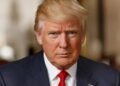


US President Donald Trump has invited his Colombian counterpart, Gustavo Petro, to the White House, days after issuing sharp threats, including the possibility of military action, over alleged drug trafficking.

The invitation followed the first phone conversation between the two leaders since Trump returned to office in January. In a post on his Truth Social platform on Wednesday, Trump said Petro “called to explain the situation of drugs and other disagreements that we have had.”
“I appreciated his call and tone, and look forward to meeting him in the near future” at the White House, Trump added.
Relations between the two countries had deteriorated after Trump, on January 3, warned Petro to “watch his ass” following a US military operation in neighbouring Venezuela that removed President Nicolás Maduro from power. Speaking days later aboard Air Force One, Trump accused Petro, without providing evidence, of involvement in drug trafficking and imposed financial sanctions on the Colombian leader and his family.
When asked whether Colombia could face a similar military intervention as Venezuela, Trump responded: “It sounds good to me.”
Petro reacted strongly, saying on Monday that he was ready to “take up arms” in the face of such threats and calling for demonstrations across Colombia in defiance of Washington’s posture.
Colombia’s Deputy Foreign Minister, Mauricio Jaramillo, warned that the US strike on Venezuela could trigger a regional “catastrophe” for Latin America.
However, Petro later struck a more conciliatory tone, telling supporters that he planned to attend the White House meeting, though no date has been fixed. He said he had intended to make “quite a tough” speech but softened his remarks after the hour-long phone call with Trump.
According to Petro, he asked the US president for both countries to “re-establish direct communications between their foreign ministries and presidents.”
Despite the recent tensions, Colombia and the United States share a long history of military and economic cooperation, particularly in counter-narcotics efforts, a relationship both leaders now appear keen to recalibrate through renewed dialogue.