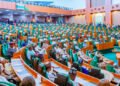
The House of Representatives has advanced four tax reform bills to the next legislative stage, marking a significant development in Nigeria’s ongoing fiscal policy overhaul.

The bills, which were transmitted to the National Assembly in 2024 by President Bola Tinubu, successfully passed their second reading on Wednesday.
The proposed laws—Nigeria Tax Bill 2024, Tax Administration Bill, Nigeria Revenue Service Establishment Bill, and Joint Revenue Board Establishment Bill—were drafted following recommendations from the Taiwo Oyedele-led Committee on Fiscal Policy and Tax Reforms.
Their progression comes six months after their initial transmission to the legislature.
Despite moving forward in the legislative process, the tax bills have generated widespread debate and opposition.
Many critics, including northern governors and opposition politicians, have called for their withdrawal, citing concerns over potential economic and constitutional implications.
During the plenary session, multiple lawmakers expressed support for the bills. However, Representative Sada Soli raised concerns that certain provisions could contradict the 1999 Constitution, particularly regarding revenue derivation.
He urged the reviewing committee to ensure clarity in these areas to prevent legal ambiguities.
Other legislators also pointed out that the bills seek to amend 40 existing acts and requested that these amendments be properly laid before Parliament.
Additionally, concerns were raised about provisions related to multiple taxation in property transactions, where both buyers and sellers would be required to pay taxes.
With the second reading completed, the bills will now proceed to a public hearing, allowing stakeholders to provide further input before potential passage into law.