The Socio-Economic Rights and Accountability Project (SERAP), called on Senate President Godswill Akpabio and House of Representatives Speaker Tajudeen Abbas to slash what it deems excessive budgetary allocations for the presidency and the National Assembly in the 2025 budget.

SERAP highlighted its concerns in a letter dated December 21, 2024, but released on Sunday.
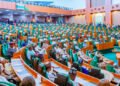
The organization flagged the N9.4 billion allocated for travel, meals, and catering for the presidency and the proposed N344.85 billion earmarked for lawmakers as unnecessary expenses amidst Nigeria’s economic challenges.
The Senate had recently passed the N49.7 trillion “Restoration” Budget for a second reading, sparking SERAP’s reaction.
“Any proposed unnecessary spending by the presidency and the National Assembly would amount to a fundamental breach of the Nigerian Constitution,” said SERAP Deputy Director Kolawole Oluwadare.
He stressed that such allocations fail to serve the public interest and exacerbate Nigeria’s budget deficit and borrowing crisis.
SERAP urged the National Assembly to request a supplementary appropriation bill from President Bola Tinubu to reflect significant reductions in allocations for the presidency and lawmakers.
The organization also called for transparency in budget breakdowns and greater scrutiny of proposed expenses, particularly the N344.85 billion for the National Assembly.
Key Concerns in the Budget Includes: Travel Expenses: The presidency has proposed N8.74 billion for local and international travel, with N6.14 billion designated for international trips by President Tinubu and N1.73 billion for Vice President Kashim Shettima.
Catering Costs: N546 million is allocated for foodstuffs, while refreshments and meals are budgeted at N71 million.
Asset Rehabilitation: Allocations for repairs have increased from N14 billion in 2024 to N26 billion in 2025, reflecting a N12 billion hike.
SERAP expressed concern over repeated allocations for similar items year after year, calling for accountability in budgeting and expenditure.
The organization also urged the National Assembly to investigate the misuse of public funds by ministries, departments, and agencies, emphasizing the need to prioritize Nigerian’s welfare and security as mandated by Section 14(2)(b) of the Nigerian Constitution.
Should the National Assembly fail to act on these recommendations, SERAP warned it would consider legal measures to compel compliance with constitutional oversight duties.
“Many Nigerians will find it odd, unfair, and unjust that the government and lawmakers are prioritizing extravagant expenses during a public borrowing crisis,” Oluwadare added.