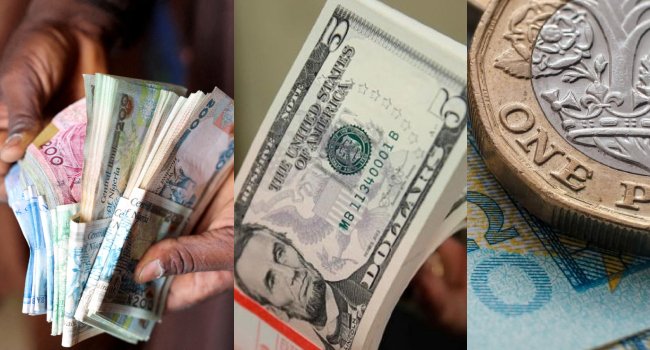
The Nigerian naira traded between ₦1,400 and ₦1,410 per dollar in the parallel market on Sunday across major commercial centres such as Lagos, Kano and Abuja.

Data from the Nigerian Foreign Exchange Market (NFEM) indicates that the local currency experienced slight fluctuations during early trading on Monday, reflecting ongoing volatility in the foreign exchange market.
According to available market data, “the Naira opened at 1,384.74 per dollar during the early morning session, reaching 1,391.83 by mid-morning.”
Analysts note that several macroeconomic factors continue to influence the exchange rate, including Nigeria’s external reserves and changes in inflation levels.
Reports indicate that “several factors have influenced rates, including Nigeria’s gross foreign reserves, which recently surpassed the 50 billion dollar mark.”
Economic indicators also show some improvement in inflation trends, which may be contributing to growing investor interest in the local currency. As noted in the report, “the real value of the Naira has become more attractive to both domestic and foreign investors, following a slowdown in headline inflation to 15.10%.”
Market watchers say the combination of stronger reserves and easing inflation could help stabilise the naira in the short term, though exchange rate movements are expected to remain sensitive to demand for foreign currency and broader economic developments.