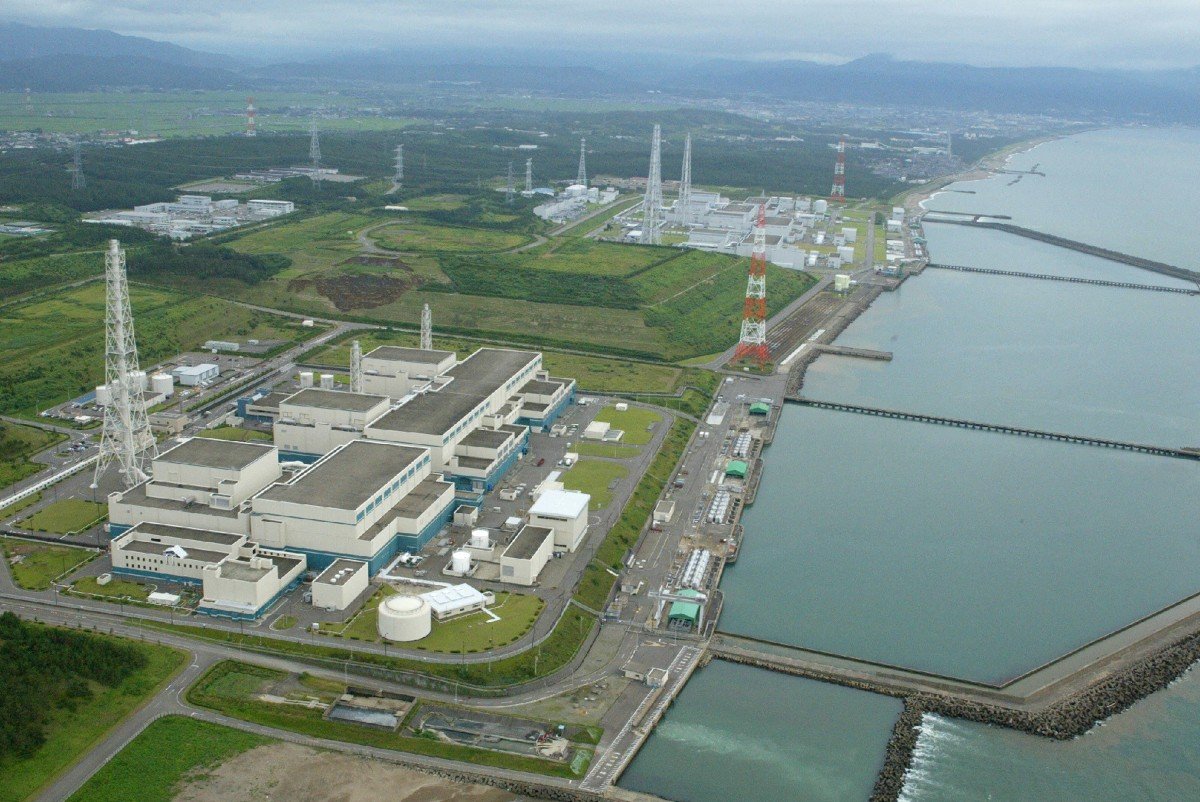
Japan has announced its intention to bring back into service the world’s largest nuclear power facility, nearly 15 years after the country halted nuclear operations following the 2011 Fukushima disaster.

Tokyo Electric Power Company (TEPCO) reported that it will restart the reactor at the Kashiwazaki-Kariwa plant on February 9, after efforts to resume operations in January were paused due to a technical alarm issue.
At a press briefing, plant manager Takeyuki Inagaki said the latest plan is to “start up the reactor on February 9,” signalling a renewed push to bring the unit back online.
The facility briefly began restarting on January 21 but was shut down the following day when a monitoring alarm sounded. TEPCO later explained that the alert had triggered over what it described as a minor electrical variation, and that the system’s configuration had since been adjusted.
Commercial operations for the unit are expected to begin on or after March 18, following another round of inspections, Inagaki said.
Although the plant has seven reactors, only one will resume operation initially. The Kashiwazaki-Kariwa complex was taken offline after the 2011 quake and tsunami that caused the Fukushima Daiichi nuclear disaster, and this restart will mark its first return to operation since then.
Japan’s push to revive the plant reflects efforts to reduce dependence on imported fossil fuels, meet growing energy demands, and pursue its long-term carbon-neutral goals.
Residents in the surrounding communities remain divided on the restart, with a significant portion expressing safety concerns over the plant’s location and history.