The Nigeria Football Federation (NFF) is facing widespread criticism for failing to settle outstanding salaries and bonuses owed to national team players and coaches, despite receiving N17 billion from the Federal Government and $4 million from the Confederation of African Football (CAF).

Reports indicate that players and officials of the Super Eagles, Super Falcons, Flying Eagles, and Golden Eaglets remain unpaid, raising concerns about Nigeria’s preparations for the 2025 football calendar.
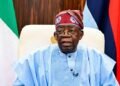
The backlog of unpaid wages persists even after President Bola Tinubu’s intervention in 2024 to clear the federation’s debts.
In January, the president allocated N12 billion to the NFF as part of his Renewed Hope Agenda, aiming to cover 15 months of salary arrears and bonuses for both senior and junior national teams.
This was followed by an additional N5 billion and CAF’s $4 million reward for Nigeria’s silver medal at the 2023 Africa Cup of Nations (AFCON) in Côte d’Ivoire.
Despite these funds, the NFF has failed to address the financial backlog. Reports suggest that the money was diverted to settle hotel bills incurred during international tournaments in 2024.
This has led to frustration among players and coaches, with fears of a possible revolt ahead of the 2025 football season.
Notable coaches, including Flying Eagles coach Ladan Bosso and sacked Golden Eaglets coach Nduka Ugbade, have not received payments since 2022. Meanwhile, allegations of financial mismanagement persist, as NFF officials reportedly continue to draw their salaries and travel allowances regularly.
The Economic and Financial Crimes Commission (EFCC) is now investigating the NFF’s finances, seeking clarification on the use of funds meant for national team obligations.
In response to the NFF’s alleged inefficiency, President Tinubu has established a Presidential Support Group (PSG) with a N3 billion budget to help the Super Eagles qualify for the 2026 FIFA World Cup.
This initiative is seen as an attempt to restore hope in Nigerian football after the team’s poor performance in the World Cup qualifiers.
As the controversies deepen, calls for transparency and accountability in the NFF are growing, with stakeholders urging the federation to prioritize the welfare of players and coaches over other expenditures.