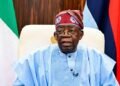
President Bola Tinubu is set to bar revenue-generating agencies from collecting revenue on behalf of the Federal Government, as plans are underway to establish a unified body the Nigeria Revenue Service responsible for this function.

This move is part of the Federal Government’s newly unveiled tax reforms aimed at boosting revenue collection and efficiency. The reforms will prevent agencies like the Nigerian Customs Service, Nigerian Ports Authority, and 60 other revenue-generating bodies from handling revenue collection, transferring the responsibility to the proposed Nigeria Revenue Service.
The reforms, according to sources at the Presidency, are not designed to merge agencies but to streamline the collection process, allowing agencies such as NIMASA, Customs, and NPA to focus solely on their core functions, such as trade facilitation. “The new revenue agency will function like the US or UK models, collecting all government revenues while agencies focus on their primary mandates,” an official explained.
One key element of the reform is the proposed renaming of the Federal Inland Revenue Service (FIRS) to Nigeria Revenue Service. This plan was outlined in one of four executive bills forwarded by President Tinubu to the National Assembly on Thursday.
Senate President Godswill Akpabio and Speaker of the House of Representatives Tajudeen Abbas both confirmed receipt of the bills, including the Nigeria Revenue Service (Establishment) Bill, which seeks to repeal the FIRS Act and establish the new revenue agency.
In a statement, Tinubu explained that the Nigeria Revenue Service would be tasked with assessing, collecting, and accounting for all government revenues, helping to improve tax compliance and boost funding for public services and infrastructure.
The reforms also target increasing Nigeria’s tax-to-GDP ratio, currently among the lowest in Africa, to at least 18%.
The President submitted three additional tax reform bills to the National Assembly: the Nigeria Tax Bill, the Nigeria Tax Administration Bill, and the Joint Revenue Board (Establishment) Bill. These proposals aim to create a unified fiscal framework, ensure efficient tax administration, and resolve disputes related to revenue collection.
Tinubu expressed confidence that the proposed reforms would encourage investment, boost consumer spending, and stimulate economic growth, stating, “These bills, when passed, will strengthen fiscal institutions and promote a more transparent fiscal regime.”
Speaker Abbas also reiterated that the bills align with the current administration’s economic objectives, noting that they would foster economic sustainability. The House has already consolidated six bills to repeal the Fiscal Responsibility Act of 2007, replacing it with the Fiscal Responsibility Bill of 2024, aimed at ensuring the prudent management of national resources.
The tax reforms stem from recommendations by the Presidential Fiscal Policy and Tax Reforms Committee, led by Taiwo Oyedele. The committee advocates reducing the number of taxes from 62 to a maximum of nine, with a focus on easing the burden on small businesses and the vulnerable while ensuring the wealthy pay their fair share. Oyedele explained, “We need to protect the poor and small businesses while shifting the tax burden to those who can afford to pay.”
The new laws will see 62 agencies, including the Federal Airports Authority of Nigeria, Nigerian Meteorological Agency, NAFDAC, Federal Road Safety Corps, and JAMB, relinquish their revenue collection functions to the Nigeria Revenue Service to enhance collection efficiency.