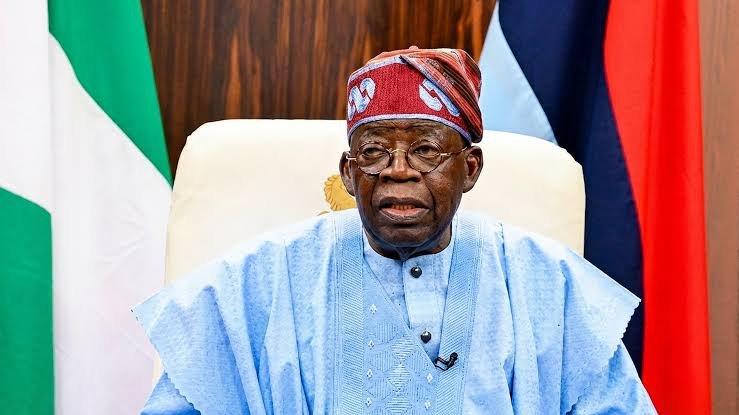
President Bola Tinubu has approved a major expansion of the Nigerian Army, increasing its operational structure from eight to 12 divisions and authorising the recruitment of 28,000 additional personnel as part of efforts to strengthen Nigeria’s security architecture and improve military effectiveness.

The Presidency said the expansion forms part of the administration’s broader investment in the Armed Forces, which includes the acquisition of critical military equipment, improvements in troop welfare, enhanced operational readiness and continued force modernisation.
According to a statement by the President’s Special Adviser on Information and Strategy, Bayo Onanuga, the new divisions will be established in Makurdi, Ilorin, Jalingo and Benin City to decentralise military operations and strengthen national security.
“The establishment of the new Divisions in Makurdi, Ilorin, Jalingo and Benin City will significantly improve command and control, decentralise operational decision-making, strengthen border security, enhance the protection of critical national infrastructure, improve counter-insurgency and internal security operations, and ensure faster military response to emerging threats nationwide,” the statement said.
The Presidency explained that the restructuring will be implemented in two phases. The first phase, involving the establishment of the 5 Division, 9 Division and 10 Division, alongside the reorganisation of existing formations, is scheduled for completion by September 2026. The second phase, which includes the establishment of the 83 Division and additional restructuring, is expected to be completed by December 2026.
Under the new arrangement, the expanded command structure is expected to improve border security, accelerate responses to emerging threats, enhance the protection of critical national infrastructure and strengthen counter-insurgency and internal security operations across the country.
The approval comes as Nigeria continues to confront security challenges, including insurgency in the North-East, banditry and kidnappings in the North-West, communal violence in parts of the North-Central and separatist-related unrest in the South-East. The government says the expansion is aimed at improving the military’s capacity to respond more effectively to these evolving threats.