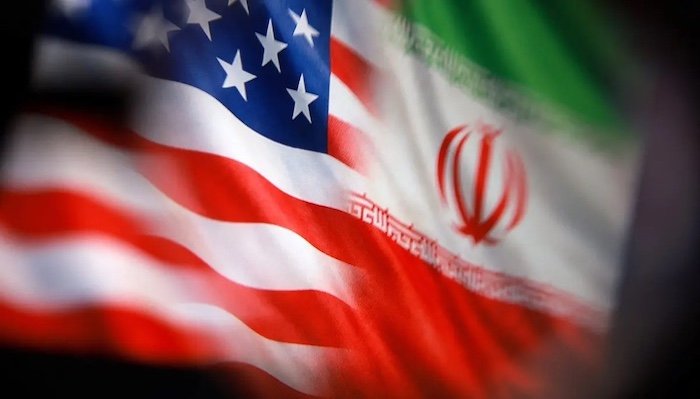
Iran has warned it will launch “long and painful strikes” against U.S. positions if United States resumes military action, as tensions persist despite a fragile ceasefire.

A senior official of Iran’s Revolutionary Guards said any renewed U.S. strike, even on a limited scale, would provoke a forceful regional response.
“We’ve seen what happened to your regional bases, we will see the same thing happen to your warships,” said Majid Mousavi.
The warning comes as the Strait of Hormuz remains closed two months into the conflict involving the United States, Israel, and Iran.
The strait, which handles roughly 20 per cent of global oil and gas supply, has seen its closure drive up international energy prices.
Iran’s Supreme Leader, Mojtaba Khamenei, said Tehran would maintain control over the waterway.
“Foreigners who come from thousands of kilometres away … have no place there except at the bottom of its waters,” he said.
In Washington, President Donald Trump is reportedly considering further military options and was expected to receive a briefing on potential new strikes aimed at pressuring Iran into negotiations, according to a U.S. official.
Meanwhile, Iran’s Foreign Ministry spokesman, Esmaeil Baghaei, downplayed expectations for swift diplomatic progress. “Expecting to reach a result in a short time, regardless of who the mediator is, in my opinion, is not very realistic,” he said.
Although a ceasefire has been in place since April 8, Iran continues to block the strait in response to a U.S. naval blockade targeting its oil exports.
The standoff has heightened concerns over the global economy.
Antonio Guterres warned that prolonged disruption could have far-reaching consequences. “The longer this vital artery is choked, the harder it will be to reverse the damage,” he said.
Elsewhere, the United Arab Emirates has barred its citizens from travelling to Iran, Lebanon, and Iraq, urging those already in those countries to return home.
Despite the escalating tensions, Trump reiterated that Iran would not be allowed to develop nuclear weapons and expressed optimism that fuel prices would decline once the conflict ends.