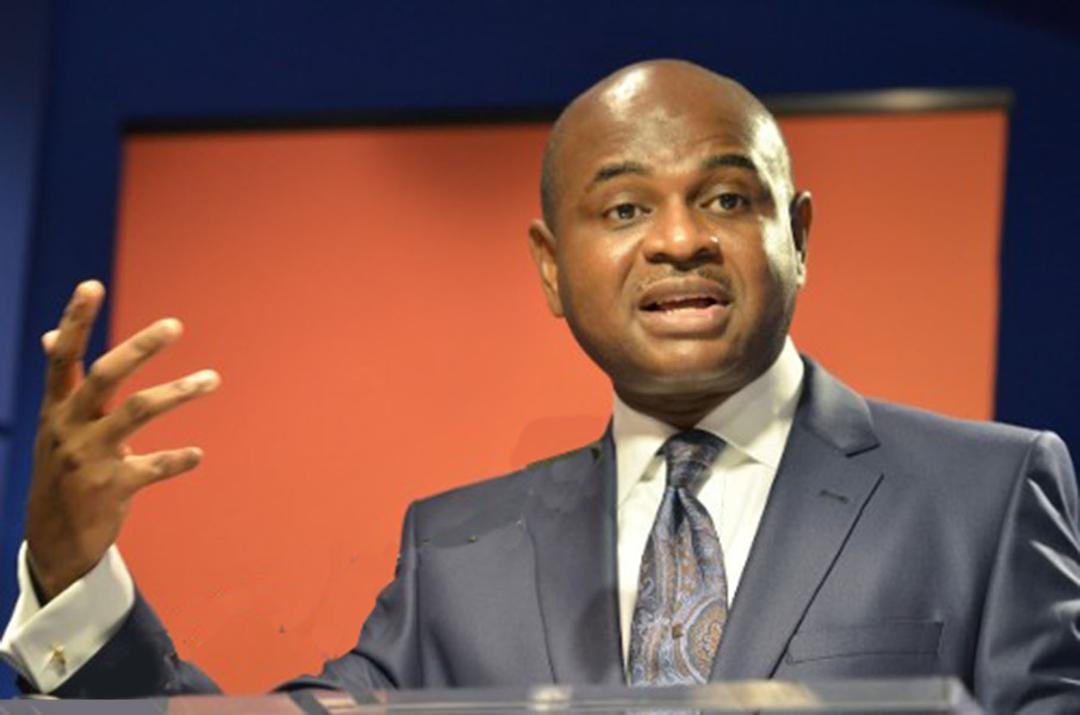
Former presidential candidate and political economist Kingsley Moghalu has criticised the recent appearance of presidential aide Daniel Bwala on Al Jazeera, describing the interview as harmful to Nigeria and the administration of Bola Ahmed Tinubu.

Bwala appeared on the broadcaster’s “Head to Head” programme hosted by Mehdi Hasan, where he defended the policies and performance of the Nigerian government during a debate-style discussion.
Reacting to the interview, Moghalu said the outing portrayed Nigeria negatively on the global stage. According to him, “the Daniel Bwala interview with Mehdi Hasan on Al Jazeera’s Head to Head program was a disaster of gargantuan proportions for Nigeria as a country, for President Tinubu’s administration, and for Bwala himself.”
The former deputy governor of the Central Bank of Nigeria argued that the programme’s international reach amplified the impact of the exchange. He noted that “the interview made a spectacle of Nigeria,” adding that the format of the programme — which includes a live global audience — meant the discussion was widely scrutinised.
Moghalu also criticised what he described as deeper issues in Nigeria’s political culture, stating: “It was a sad commentary on Nigeria’s political culture in which there are no beliefs, no policies, no ideology, just crass opportunism and the battle for political power.”
He further questioned the decision to appoint individuals who previously criticised the administration to represent the government publicly. According to him, “the fact that Bwala, given his record, is sent out to speak for the President of Nigeria on the international stage says much about the standards by which the government in Nigeria recruits people for specific roles.”
The criticism follows widespread reactions to Bwala’s interview, during which the presidential aide was confronted with past statements he made while he was in the opposition and critical of Tinubu before joining the administration.
The debate has since generated strong responses across Nigeria’s political space, with supporters and critics offering differing interpretations of the televised exchange and its implications for the government’s public image.