Nigerian banks have raised a total of N4.05tn in verified and approved capital ahead of the March 31, 2026 recapitalisation deadline set by the Central Bank of Nigeria.

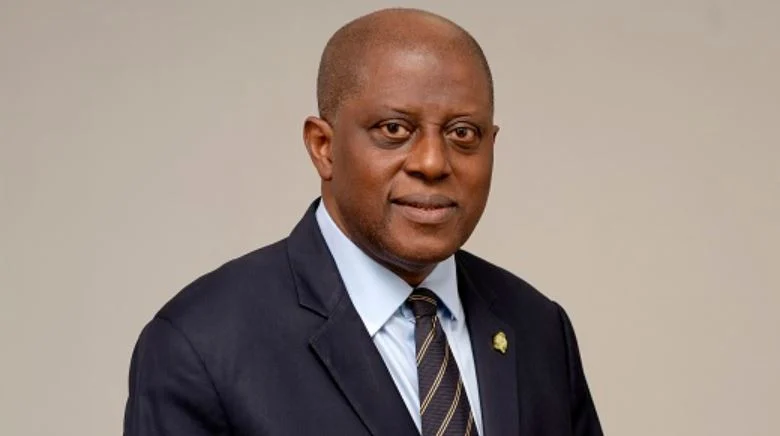
CBN Governor, Olayemi Cardoso, disclosed the figure on Tuesday during the Monetary Policy Committee briefing in Abuja, stating that, “As of February 19, 2026, total verified and approved capital raise stands at N4.05tn.”
The amount represents a significant increase from the N2.4tn reported in April 2025. According to Cardoso, N2.90tn, or 71.6 per cent, was raised locally, while N1.15tn, representing 28.33 per cent, came from foreign investors.
He said, “In summary, 71.67 per cent is domestic mobilisation and 28.33 per cent is foreign participation… which signals broad investor engagement and confidence in the sector.”
The CBN governor also noted strong international interest in Nigeria’s banking sector, adding that discussions with foreign investors had translated into tangible participation.
On compliance, Cardoso revealed that 20 banks have already met the new minimum capital requirements, while 13 others are at advanced stages of their capital-raising programmes. He expressed confidence that the remaining institutions would meet the deadline.
He said the apex bank was “actively engaged with all relevant stakeholders to ensure… an orderly and credible outcome while maintaining financial stability.”
Assuring customers, Cardoso stated that “Depositor funds in these institutions remain secure,” adding that affected banks continue to operate under close regulatory supervision.
Under the recapitalisation policy introduced in March 2024, banks with international licences are required to raise their minimum capital to N500bn, while those with national licences must meet a N200bn threshold. Regional and merchant banks are expected to maintain N50bn, while non-interest banks must hold between N10bn and N20bn depending on their licence category.
The exercise is aimed at strengthening the resilience of the banking sector, improving lenders’ capacity to support economic growth, and enhancing their ability to absorb financial shocks.
Meanwhile, Cardoso disclosed that Nigeria’s gross external reserves rose to about $50.4bn as of mid-February 2026, the highest level in 13 years. He attributed the increase to improved trade performance, rising non-oil exports, and stronger diaspora remittances, noting that “market confidence” remains the key driver of the gains.
Despite the positive outlook, the CBN governor cautioned that global uncertainties, oil price volatility, and potential fiscal pressures, including pre-election spending, could pose risks if not properly managed.