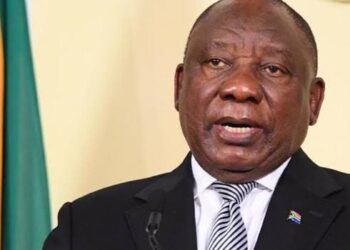


World leaders are gathering in Johannesburg for the G20 summit taking place on November 22 and 23, the first time the meeting is being hosted on African soil. South Africa is welcoming representatives from about 42 countries and international organisations.

Confirmed attendees include India’s Prime Minister Narendra Modi, France’s President Emmanuel Macron and Germany’s Chancellor Friedrich Merz. Senior officials from the African Union, the European Union and the United Nations are also present.
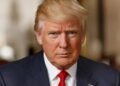
However, several major leaders are absent, including U.S. President Donald Trump, China’s President Xi Jinping and Russia’s President Vladimir Putin, although the United States has indicated it may send a representative after earlier announcing a boycott.
The summit is themed “Solidarity, Equality, Sustainability” and will focus on issues such as inclusive global growth, development financing, debt restructuring, climate change, energy transition and the responsible use of critical minerals. Leaders are also expected to discuss how richer nations can support vulnerable economies and increase climate-finance commitments.
The event has drawn protests from various groups. Women for Change is demonstrating against gender-based violence, while a coalition of climate and inequality activists known as The Citizen is hosting an “alternative summit” criticising the G20 for favouring wealthy nations. Other groups, including Solidarity and Operation Dudula, plan to protest against economic marginalisation, unemployment and poverty.
South Africa’s leadership of the summit is viewed as an opportunity to elevate the priorities of the Global South. Gilad Isaacs of the Institute for Economic Justice said the credibility of South Africa’s presidency would depend on whether it succeeds in advancing an agenda that reflects the interests of developing nations.