

The Federal Government has announced plans to introduce a 5 percent surcharge on petrol and other fossil fuels purchased across the country. The measure, which is part of the new tax reforms, is designed to create a dedicated fund for road infrastructure and maintenance.

Under the proposed framework, the surcharge will be charged at the point of sale in filling stations and other outlets where fossil fuels are supplied or produced locally.
However, the levy will not apply to household kerosene, liquefied petroleum gas (LPG), compressed natural gas (CNG), or other clean and renewable energy sources. Authorities say this exemption aligns with Nigeria’s energy transition agenda.
The provision for the fuel surcharge originally existed under the Federal Roads Maintenance Agency (Amendment) Act of 2007 but was reintroduced into the new tax laws for harmonisation and transparency.
Implementation is not expected to take effect automatically in January 2026, when the broader tax reforms come into force. Instead, the commencement will be subject to a directive from the Minister of Finance, who must issue an official order published in the Federal Government Gazette.
Officials explained that the timing of the implementation would depend on prevailing economic conditions to avoid placing unnecessary strain on households and businesses. The surcharge is expected to generate significant revenue for roads, which government sources argue is critical given Nigeria’s extensive infrastructure needs.
Although funds saved from fuel subsidy removal provide some support, they remain insufficient to meet the scale of recurring road construction and maintenance costs.
Internationally, more than 150 countries impose similar levies on petroleum products, ranging from 20 to 80 percent, to finance transportation infrastructure. Nigerian policymakers say the dedicated fund will help ensure safer and better-maintained roads, reduce travel time and logistics costs, and improve the wider economy.
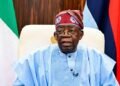
The fuel surcharge is also part of wider tax reforms introduced by President Bola Tinubu’s administration. In December 2024, the President forwarded four bills to the National Assembly: the Nigeria Tax Bill, Nigeria Tax Administration Bill, Nigeria Revenue Service (Establishment) Bill, and Joint Revenue Board (Establishment) Bill.
These reforms aim to reduce multiple taxation, harmonise existing charges, and provide relief for households and small businesses by suspending or removing certain levies, including VAT on fuel, excise duties on telecom services, and the cybersecurity levy.
As part of the proposed reforms, Nigerians earning up to ₦800,000 annually will be exempted from paying income tax, providing further relief to low-income earners.
The government insists that the 5 percent fuel surcharge is not an immediate measure but a forward-looking provision intended to secure sustainable road financing while preparing Nigeria to tackle challenges related to infrastructure and climate change in the future.