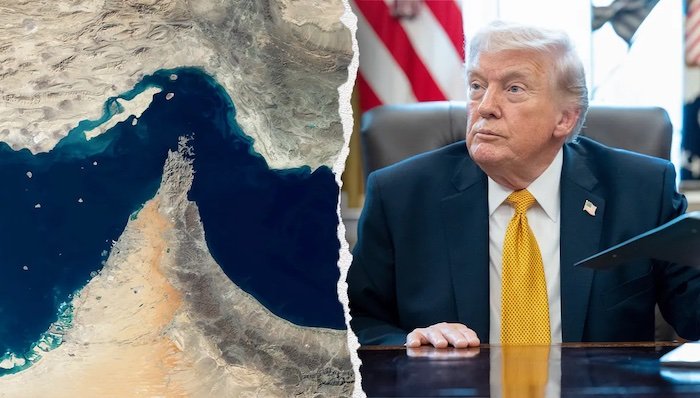
The United Kingdom and United States are intensifying efforts to reopen the Strait of Hormuz as ongoing conflict in the Middle East continues to disrupt global energy supplies and threaten economic stability.

The strategic waterway—through which a significant portion of the world’s oil and gas is transported—has been severely impacted by the war, with shipping activity sharply reduced and supply chains strained. Analysts warn that prolonged disruption could have far-reaching consequences for global markets, including rising fuel prices and inflationary pressures.
According to officials, both countries are exploring military and diplomatic options to restore safe passage through the strait. British defence experts are already working alongside U.S. counterparts on potential strategies, though sources acknowledge the high level of risk involved in deploying forces.
The urgency of the situation has been underscored by the scale of the disruption. The Strait of Hormuz typically handles roughly one-fifth of global oil supply, making it one of the most critical energy chokepoints in the world. Its partial closure has already contributed to sharp increases in oil prices and heightened volatility in international markets.
Global energy authorities have also raised alarm over the crisis. The International Energy Agency (IEA) noted that reopening the strait remains the most effective step toward stabilising supply, as damage to energy infrastructure and halted shipments continue to tighten availability worldwide.
Despite the coordinated push, officials caution that any operation to reopen the waterway will require careful planning and broad international support, given the risk of further escalation in an already volatile region.
The crisis has reinforced the strategic importance of the Strait of Hormuz, with policymakers warning that its continued disruption could mark one of the most significant shocks to global energy supply in decades.