The Group Chief Executive Officer of the Nigerian National Petroleum Company Limited (NNPCL), Mele Kyari, has revealed that petrol smugglers exploited loopholes in the subsidy regime, earning up to ₦17 million per fuel truck in neighboring countries.

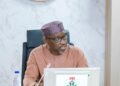
Speaking to journalists in Abuja, Kyari explained that cross-border smuggling of petroleum products was rampant under the fuel subsidy system.
A single 6,000-liter truck could generate no less than ₦17 million per trip for smugglers, he noted.
“For 47 years, petrol (PMS) has always been subsidized, and this subsidy created arbitrage opportunities, meaning price differences between locations.
When President Tinubu announced the removal of the subsidy in June, the recalibration of fuel prices eliminated the profit in smuggling fuel across borders,” Kyari stated.
He added, “Previously, a smuggler could make up to ₦17 million from a single truck.
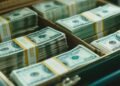
With two trips, that’s ₦34 million equal to the cost of the truck itself.
On the other hand, when you transport fuel legally, say to Maiduguri, you might earn less than ₦500,000 in legitimate profit.
Why would someone opt for the legal route when smuggling yields far more?”
The removal of the subsidy has led to rising fuel prices across Nigeria, hitting Nigerians already grappling with economic hardship.
On October 9, petrol prices surged by 15 to 20 percent nationwide, marking the second price increase in just over a month.
Prices jumped from ₦855 to ₦998 per liter at some pumps, while in cities like Abuja and Kano, prices exceeded ₦1,000 per liter.
Although NNPCL has yet to comment on this recent hike, the state oil company previously attributed earlier increases to significant debts owed to fuel suppliers.
In September, the company raised prices by roughly 40 percent to stabilize its finances.
Nigerians are already battling soaring inflation, skyrocketing food prices, and a weakened naira.
For many, the latest fuel price hike adds further strain to their budgets as President Bola Ahmed Tinubu’s government continues to implement economic reforms aimed at reviving the economy.
The Nigeria Labour Congress (NLC) expressed its dismay at the price increase, calling for an immediate reversal.
However, protests against economic hardships have struggled to gain traction, following a heavy-handed government response to nationwide demonstrations in August.
During a speech on the day of a poorly attended October protest, President Tinubu urged Nigerians to remain patient with his reforms, promising long-term economic recovery and the attraction of foreign investments.
Before the reforms, petrol was sold for less than ₦200 per liter.