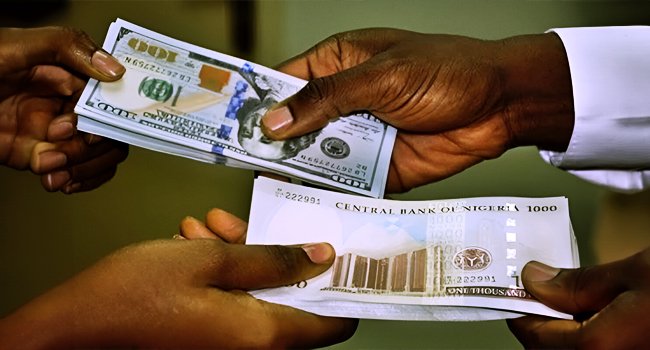
The naira depreciated to N1,359 per dollar at the official foreign exchange market on Tuesday following the Central Bank of Nigeria’s decision to lower its benchmark interest rate.

The currency weakened from N1,353.5/$ recorded on Monday, reflecting mild pressure as investors reacted to the outcome of the 304th Monetary Policy Committee meeting.
The CBN reduced the Monetary Policy Rate by 50 basis points from 27 per cent to 26.5 per cent, signalling a cautious shift toward monetary easing after an extended period of tightening. However, other key policy parameters were left unchanged, indicating a measured approach to liquidity management.
Foreign exchange data showed the depreciation came amid cautious market sentiment despite improving macroeconomic indicators. Headline inflation has declined for the eleventh consecutive month, easing to 15.1 per cent in January 2026.
The MPC retained the Cash Reserve Ratio at 45 per cent for commercial banks and 16 per cent for merchant banks, while the Liquidity Ratio was maintained at 30 per cent. The Standing Facilities Corridor was also held at +50/-450 basis points around the MPR.
CBN Governor Olayemi Cardoso noted the strength of the country’s external position, stating that Nigeria’s gross external reserves rose to $50.45bn as of February 16, 2026 — the highest level in 13 years. He described the development as evidence of the “remarkable performance of Nigeria’s external sector,” which has helped support foreign exchange stability and boost investor confidence.
Cardoso emphasised the importance of market sentiment to the foreign exchange framework, warning that “Without market confidence, no matter what you do, you will significantly suboptimise.”
The naira’s latest movement contrasts with mixed reactions seen after previous MPC meetings, underscoring the influence of broader liquidity conditions, supply-demand dynamics, and investor expectations on currency performance.
The rate cut reflects the apex bank’s attempt to balance price stability with economic growth, even as authorities remain cautious about maintaining overall financial stability.