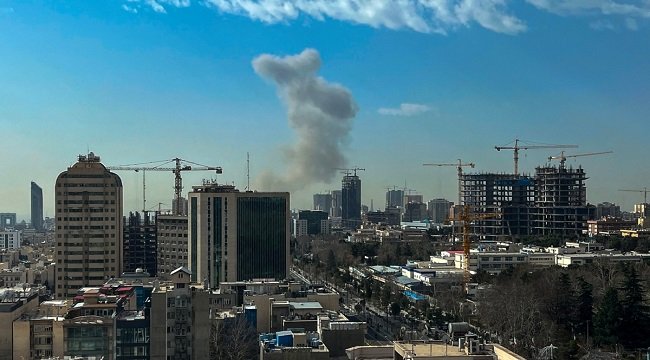
The United States has ordered additional missile deployments to the Middle East as tensions escalate in the ongoing regional conflict, following Iran’s rejection of a US-backed peace proposal aimed at ending hostilities.

The move underscores growing concerns in Washington over the intensity of the conflict, which has seen continued exchanges of missile strikes and air raids across the region.
Iran Rejects US Peace Proposal
Iran dismissed the US-led initiative, reportedly a 15-point plan designed to secure a ceasefire and de-escalate tensions. Iranian officials described the proposal as unrealistic, with one report quoting Tehran as calling it a “wishlist” that reflects Washington’s military objectives rather than a balanced diplomatic solution.
The proposal included demands such as curbing Iran’s missile programme, limiting nuclear activities, and reducing support for regional armed groups. However, Iranian authorities rejected the terms and instead outlined their own conditions for ending the war, including security guarantees and reparations.
US Boosts Military Readiness
In response to the rejection and ongoing hostilities, the Pentagon has moved to reinforce its military posture in the region, ordering additional missiles to support ongoing operations and strengthen defence systems.
The decision comes amid fears that continued missile exchanges could strain existing defence capabilities, particularly as attacks intensify across multiple fronts.
Despite diplomatic efforts involving intermediaries, prospects for a ceasefire remain uncertain. Iran has maintained a firm stance, signalling it is unwilling to negotiate under current conditions and insisting on terms that prioritise its sovereignty and security.
At the same time, the conflict has continued to widen, with strikes reported across Iran and retaliatory attacks targeting US and allied interests in the region.
Global Concerns Mount
The rejection of the peace plan has raised fears of further escalation, with analysts warning that continued hostilities could destabilise global energy markets and disrupt shipping routes, particularly around the strategic Strait of Hormuz.
International actors have continued to call for restraint and renewed dialogue, but with both sides holding firm positions, a diplomatic breakthrough appears unlikely in the near term.