Japan has begun releasing part of its strategic oil reserves as global energy markets face pressure from the ongoing conflict in the Middle East.

The Japanese government announced the move on Monday, confirming that the country would tap into its emergency stockpiles to help stabilise supply and cushion rising oil prices triggered by the crisis.
Chief government spokesman Minoru Kihara said the initial release would involve oil held by private companies.
“We will release 15 days’ worth of private-sector petroleum reserves,” Kihara said.
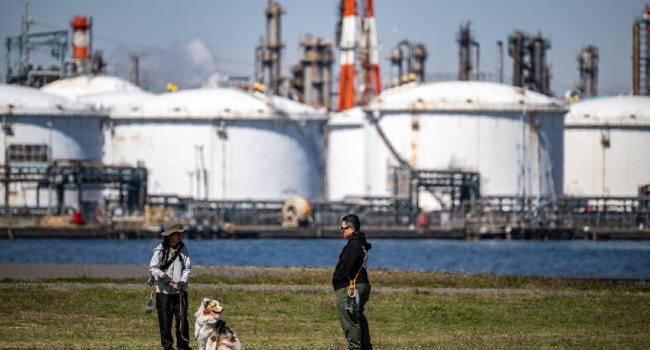
Japan holds one of the world’s largest strategic oil stockpiles, with reserves exceeding 400 million barrels as of December and enough to cover about 254 days of domestic consumption.
The government indicated that private-sector reserves would be used first before drawing from state-controlled stockpiles. Economy, Trade and Industry Minister Ryosei Akazawa said the private reserves would be released ahead of government reserves as part of the emergency response.
The decision comes after members of the International Energy Agency (IEA) agreed to release oil stockpiles to help contain the surge in prices linked to the war in the Middle East.
According to the agency, member countries have submitted implementation plans to make emergency stocks available quickly.
“Stocks from IEA Member countries in Asia Oceania immediately,” the agency said, adding that releases from Europe and the Americas would begin later in March.
Japan is particularly vulnerable to disruptions in the region because it relies heavily on Middle Eastern oil imports, which account for about 95 percent of its crude supply.
Authorities say the release is aimed at preventing supply shortages and easing pressure on domestic fuel prices as geopolitical tensions continue to disrupt global energy markets.