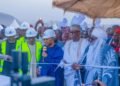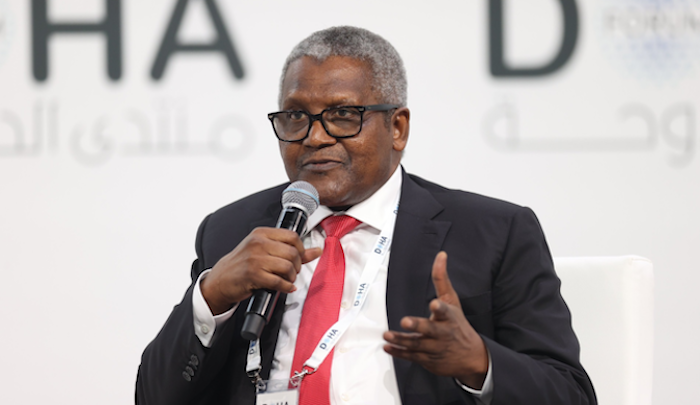
President of Dangote Industries Limited, Aliko Dangote, has accused Nigeria’s downstream petroleum regulator of allowing continued importation of petrol despite the capacity of the Dangote Petroleum Refinery to meet the country’s domestic demand.

Dangote made the claim on Wednesday, stating that the regulator was still issuing licences for petrol imports even though authorities had earlier indicated that such approvals had been halted. He warned that the development could undermine the viability of local refining and pose risks to Nigeria’s energy security.
Speaking during an interview with THISDAY, Dangote said the ongoing inflow of imported fuel was affecting the operations of the refinery, which he insisted has sufficient production capacity to supply the Nigerian market.
According to him, the refinery can produce about 75 million litres of petrol daily, a volume he said is adequate to satisfy national demand. However, he noted that some market participants continue to import refined petroleum products into the country.
Dangote warned that sustaining petrol imports despite available local capacity could weaken Nigeria’s efforts to achieve energy independence and reduce reliance on foreign refined products.
The dispute highlights ongoing tensions within Nigeria’s downstream petroleum sector, particularly between domestic refiners and regulatory authorities over market access, import licensing, and supply dynamics.
Nigeria has historically relied heavily on imported refined petroleum products due to the poor performance of state-owned refineries. The multi-billion-dollar Dangote refinery, located in Lagos and designed to process up to 650,000 barrels of crude oil per day, was built to reduce the country’s dependence on fuel imports.
Despite the concerns raised by Dangote, recent developments indicate that the Nigerian Midstream and Downstream Petroleum Regulatory Authority (NMDPRA) has moved to suspend the issuance of new petrol import licences after improvements in local production capacity.
The situation underscores the broader policy challenge facing Nigeria as it seeks to balance market competition, domestic refining capacity, and energy security in the post-subsidy era.