


Nigeria’s capital market now contributes 33 per cent to the nation’s Gross Domestic Product (GDP), following a significant surge in market value of about ₦68 trillion, the Securities and Exchange Commission (SEC) has disclosed.

The Director-General of SEC, Dr. Emomotimi Agama, revealed that the market’s capitalisation has grown by 125 per cent, rising from approximately ₦55 trillion in April 2024 to over ₦123.93 trillion.
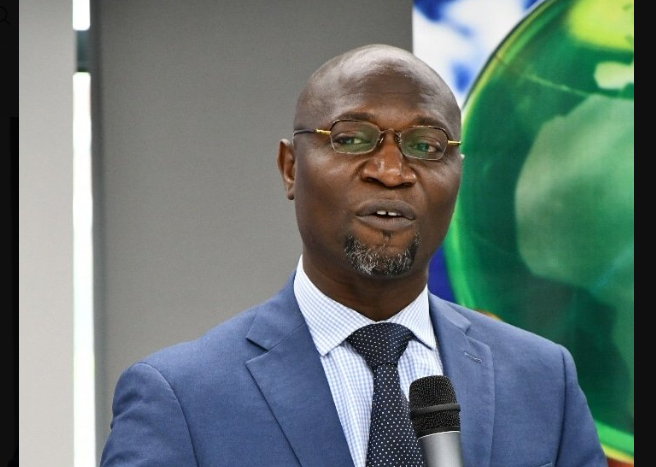
Speaking during his inaugural address to members of the Capital Market Working Group on Market Liquidity, Agama said the sector’s economic impact has expanded significantly.
“Since this administration came into being in April 2024, we have seen market capitalisation grow from about ₦55 trillion to over ₦123.93 trillion. Our contribution to GDP has moved from 13 per cent to 33 per cent. These are impressive figures, but they tell only part of the story,” he said.
He attributed the strong performance to renewed investor confidence and market resilience, but cautioned that growth in size must be matched by improved market depth and efficiency.
According to the SEC chief, liquidity remains critical to sustaining the momentum, noting that a market must be deep and efficient to effectively support capital formation.
“A capital market is often described as the barometer of an economy’s health. But for that barometer to be accurate, the market must be more than just large—it must be liquid,” Agama said.
He identified key structural challenges, including high transaction costs for institutional investors and the concentration of trading in a few large stocks, which limit overall market depth.
To address these concerns, the Commission has inaugurated a multi-stakeholder working group comprising exchanges, custodians, fund managers and other operators. The group is expected to recommend measures to improve trading efficiency, expand participation and enhance price discovery.
Agama emphasised the strategic importance of the capital market to national development, stating:
“The capital market is not gambling; it is the engine of national development. It finances roads, powers factories and creates jobs.”
He added that future reforms will focus on making the market deeper, more inclusive and globally competitive, in line with the Federal Government’s broader economic growth ambitions.