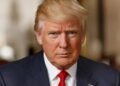
NATO Secretary-General Mark Rutte met with U.S. President-elect Donald Trump in Florida on Friday to address pressing global security issues facing the alliance, according to NATO spokesperson Farah Dakhlallah. The meeting took place in Palm Beach and centered on strengthening transatlantic ties amid growing geopolitical tensions.

During Trump’s first term as president, he pushed European allies to increase their defense spending and questioned the fairness of the NATO alliance, leading to concerns about the future of U.S. commitment to NATO. His recent re-election victory has heightened anxiety in Europe, particularly over the potential implications for Washington’s military aid to Ukraine, a critical factor in Kyiv’s fight against Moscow.
Following Trump’s November 5 election win, Rutte, the former Dutch prime minister, expressed his intention to meet with him to address the growing collaboration between North Korea and Russia. “What we see more and more is that North Korea, Iran, China, and of course Russia are working together, working together against Ukraine,” Rutte said recently at a European leaders’ meeting in Budapest.
He further emphasized the security risks posed by Russia’s actions, stating, “At the same time, Russia has to pay for this, and one of the things they are doing is delivering technology to North Korea,” which he warned poses a threat to the U.S. mainland and continental Europe.
Trump’s approach to NATO and his stance on the ongoing conflict in Ukraine are closely watched by European leaders. NATO allies stress the importance of maintaining U.S. support for Kyiv, arguing that its resistance against Moscow is crucial for the security of both Europe and America.
“I look forward to sitting down with Donald Trump to discuss how we can face these threats collectively,” Rutte had said ahead of the meeting, underscoring the alliance’s resolve to address shared challenges.
The discussions in Florida signal an effort by NATO to solidify cooperation with the incoming U.S. administration amid mounting global security concerns.