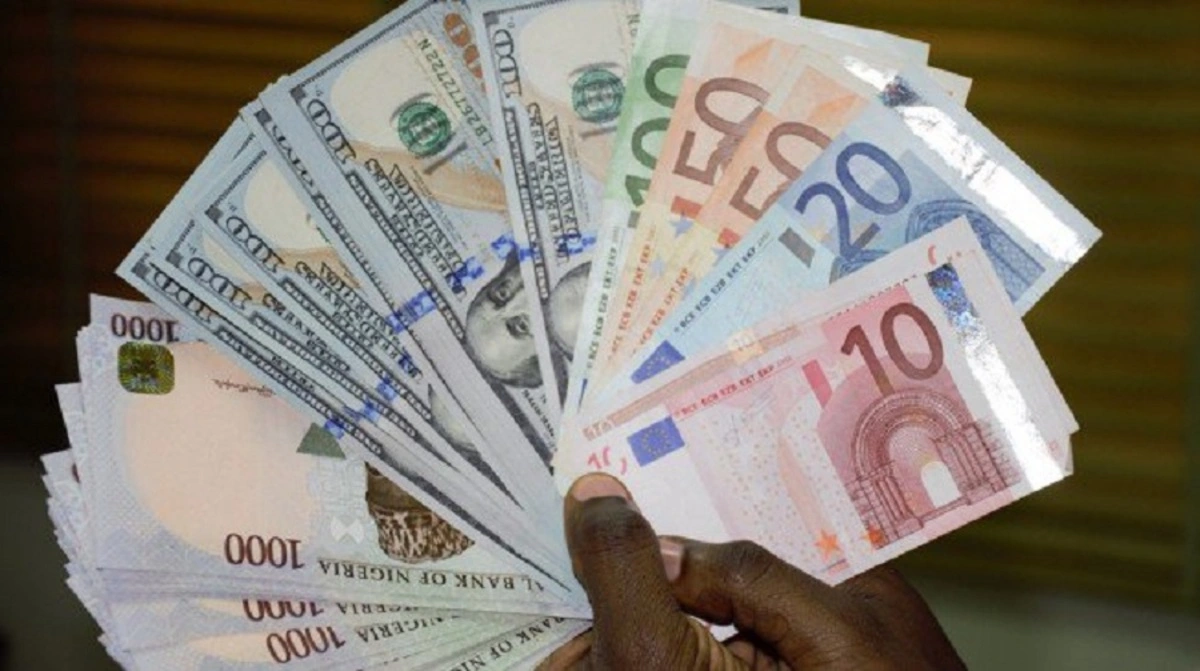
Nigeria’s foreign exchange market recorded its highest weekly turnover so far in 2026, with transactions across the spot and derivatives segments rising to $4.375 billion in the week ended July 24.

The figure represented an 83.38 per cent increase from the $2.386 billion recorded in the preceding week, according to the latest foreign exchange market turnover report obtained from the FMDQ Exchange.
The sharp increase marked the first time Nigeria’s weekly FX market turnover had exceeded the $4 billion threshold this year and surpassed the previous 2026 high of $3.053 billion recorded in the week ended July 3.
Spot transactions accounted for the bulk of the activity, rising by 81.85 per cent to $4.312 billion, while FX forward transactions surged by 333.59 per cent to $62.87 million. Average daily turnover also increased to $875 million from $477.16 million in the previous week.
The unusually high volume has fuelled speculation that large private-sector transactions or increased foreign portfolio investment may have contributed to the surge.
A source within the Financial Market Dealers Association, who spoke on condition of anonymity, linked the increase to Dangote Petroleum Refinery’s temporary decision to price petroleum products in US dollars.
“You know there was temporary dollar pricing for Dangote Refinery products. This is the reason for the sharp rise in dollar turnover,” the source said.
The refinery had announced on July 14 that it would begin selling petrol, diesel and aviation fuel in dollars but reversed the decision about a week later and resumed naira-denominated sales.
However, the Chief Executive Officer of Wyoming Capital Partners Limited, Tajudeen Olayinka, said the record turnover may have resulted from major one-off transactions.
“I want to believe there must have been a special transaction. I cannot say categorically what led to that,” Olayinka said.
He added that some foreign portfolio investors may have contributed to the increased activity, noting that Nigeria’s high interest rates continued to attract investment inflows.
“Some of these investors are actually foreign portfolio investors. The fact that interest rates remain high means they continue to benefit from what Nigeria is able to offer, so they keep coming.”
Olayinka also suggested that the simultaneous increase in spot and forward transactions could indicate that investors were hedging against future exchange-rate risks.
“There may be a link. If somebody is selling in the spot market, they may also be buying forwards so they can hedge and be certain of the rate at which they will repatriate their money.”
He said the combination of unusually high spot turnover and increased forward activity pointed to the possibility of large transactions being executed alongside efforts to manage future foreign exchange exposure.
The record turnover comes amid continued growth in activity within the Nigerian Foreign Exchange Market, which recorded more than $46 billion in cumulative turnover between March and June 2026.