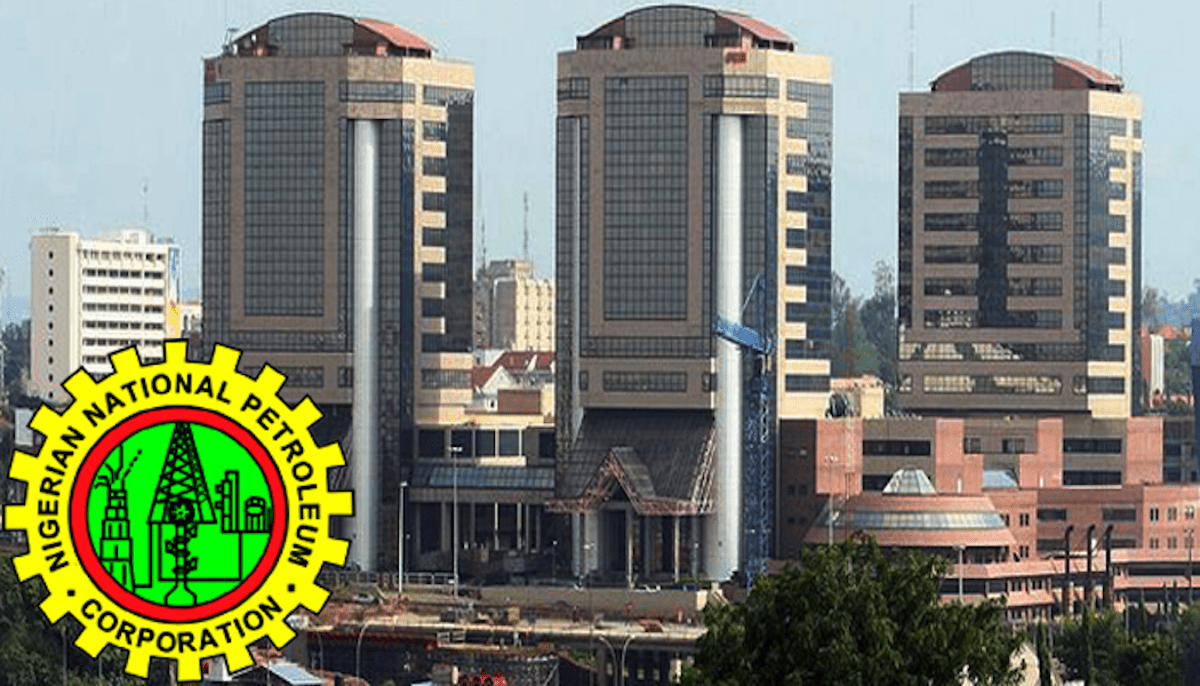
Former Group General Manager of the National Petroleum Investment Management Services (NAPIMS), Bala Wunti, has told the Senate Committee reviewing the Nigerian National Petroleum Company (NNPC) Limited’s 2023 audited financial statements that there is no evidence to support claims that ₦210 trillion is missing from the company’s accounts.

Appearing before the committee, Wunti said he had reviewed the audited financial statements at the panel’s request and found no reference to any missing funds. According to him, the controversy arose from a misinterpretation of two separate accounting entries rather than the disappearance of public money.
He explained that the disputed ₦210 trillion figure resulted from combining ₦107 trillion recorded as receivables—funds owed to the company—with about ₦103 trillion listed as accrued expenses, representing liabilities owed by the company.
“Receivables are money other people owe you, while accrued expenses are money you owe other people. Accounting standards require that these items be reported separately. They cannot simply be added together and described as missing money.”
Wunti maintained that there was no basis for alleging that ₦210 trillion had disappeared from NNPC’s books, adding that although he did not serve throughout the entire period under review, his tenure covered a significant portion of the years being examined, enabling him to clarify the accounting issues before the committee.
He also dismissed reports that ₦5.8 billion was spent on incorporating NNPC following the implementation of the Petroleum Industry Act (PIA), stating that the actual statutory payments to the Corporate Affairs Commission (CAC) and the Nigeria Revenue Service (NRS) amounted to about ₦2.45 billion.
“The only money paid was about ₦2.45 billion and it went directly to government institutions. No third party received any payment.”
In his remarks, Chairman of the Senate Committee, Senator Ibrahim Dankwambo, said the panel had not found evidence that ₦210 trillion was missing from the company’s accounts. He noted that the ongoing review was aimed at ensuring transparency and properly understanding the audited financial statements, adding that the committee would study Wunti’s submissions before deciding whether further clarification would be required.