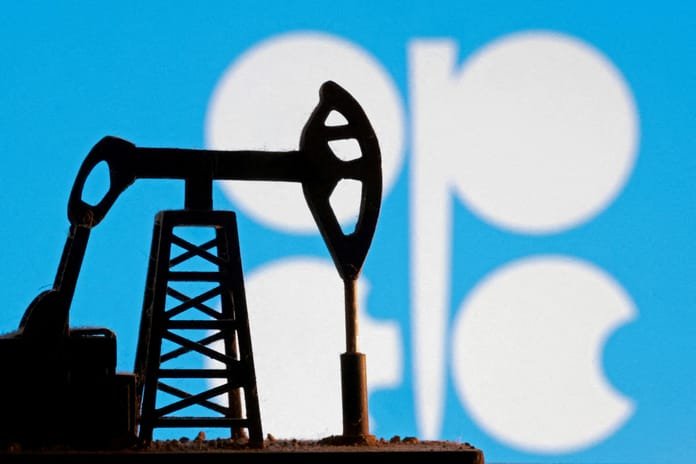
The United Arab Emirates has announced plans to withdraw from the Organization of the Petroleum Exporting Countries on May 1, in a move expected to reshape global oil dynamics and deepen divisions among Gulf states.

The decision by the UAE—one of OPEC’s largest producers—is seen as a significant setback for the oil cartel, potentially weakening its grip on global supply and widening an emerging rift with Saudi Arabia, the group’s de facto leader.
Analysts say the exit could enable Abu Dhabi to increase oil production once stability returns to export routes in the Gulf, as it would no longer be constrained by OPEC quotas.
Speaking publicly for the first time since the announcement, UAE Energy Minister Suhail Mohamed al-Mazrouei said the move followed a comprehensive review of the country’s energy strategy.
“This is a policy decision, it has been done after a careful look at current and future policies related to level of production,” Mazrouei said in a telephone interview.
He emphasised that the decision was taken independently, noting that the UAE did not consult other member states prior to its withdrawal.
Mazrouei also pointed to rising global energy demand, suggesting the country is positioning itself to play a larger role in meeting future supply needs.
Meanwhile, Gulf leaders convened in Saudi Arabia on Tuesday for a summit aimed at coordinating a response to escalating missile and drone attacks linked to the ongoing conflict involving Iran, following strikes by U.S. and Israeli forces in late February.
The UAE’s planned exit marks a pivotal shift in the global energy landscape, with potential long-term implications for oil markets, regional alliances, and the cohesion of OPEC.