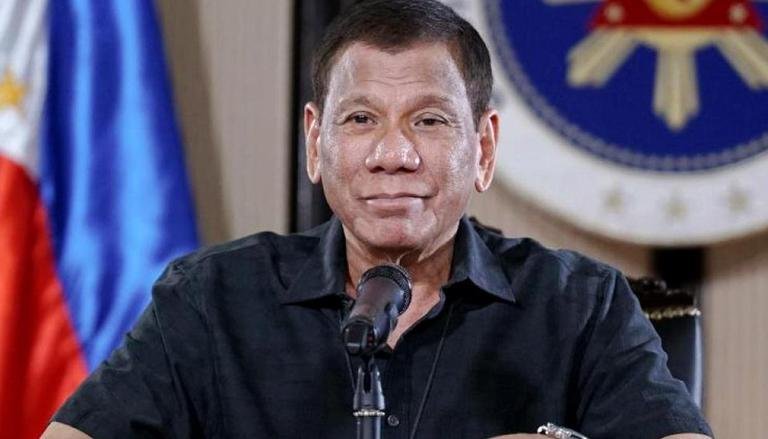
Former Philippine president Rodrigo Duterte will stand trial at the International Criminal Court after judges confirmed charges of crimes against humanity linked to his controversial anti-drug campaign.

In a ruling on Thursday, the court’s pre-trial chamber said it had unanimously found “substantial grounds to believe” Duterte committed the alleged crimes, clearing the way for full trial proceedings in The Hague.
Duterte, 81, is accused of orchestrating extrajudicial killings during his “war on drugs” between 2011 and 2019, a campaign human rights groups say led to thousands of deaths, particularly among low-level suspects.
The decision follows months of legal challenges by Duterte’s defence team, including attempts to secure his release from detention, where he has been held for over a year. His lawyers also argued that he was unfit to stand trial due to cognitive impairment, but the court rejected the claim, citing medical assessments that deemed him capable of participating in proceedings.
Duterte has repeatedly rejected the court’s authority, insisting that the Philippines’ withdrawal from the Rome Statute in 2019 stripped the ICC of jurisdiction. However, judges ruled that the court retains authority because the alleged crimes occurred while the country was still a member.
The case has drawn global attention, with the ICC authorising more than 500 victims to participate in the proceedings—one of the largest victim representations in the court’s history.
At the centre of the trial is Duterte’s anti-drug crackdown, widely criticised for disproportionately targeting vulnerable communities while failing to dismantle major drug networks. Duterte has denied wrongdoing, describing the allegations as “an outrageous lie,” while police officials maintain that officers acted in self-defence.
His arrest at a Manila airport last year and subsequent transfer to The Hague came amid political tensions involving his daughter, Sara Duterte, and incumbent President Ferdinand Marcos Jr..
Reactions to the ICC’s decision have been divided. Former lawmaker Leila de Lima described it as “a great day for the fighters against impunity and state-sponsored violence,” while acknowledging the pain endured by victims’ families.
Human rights group KARAPATAN said the development represents both vindication and tragedy, noting that justice cannot undo the loss of lives.
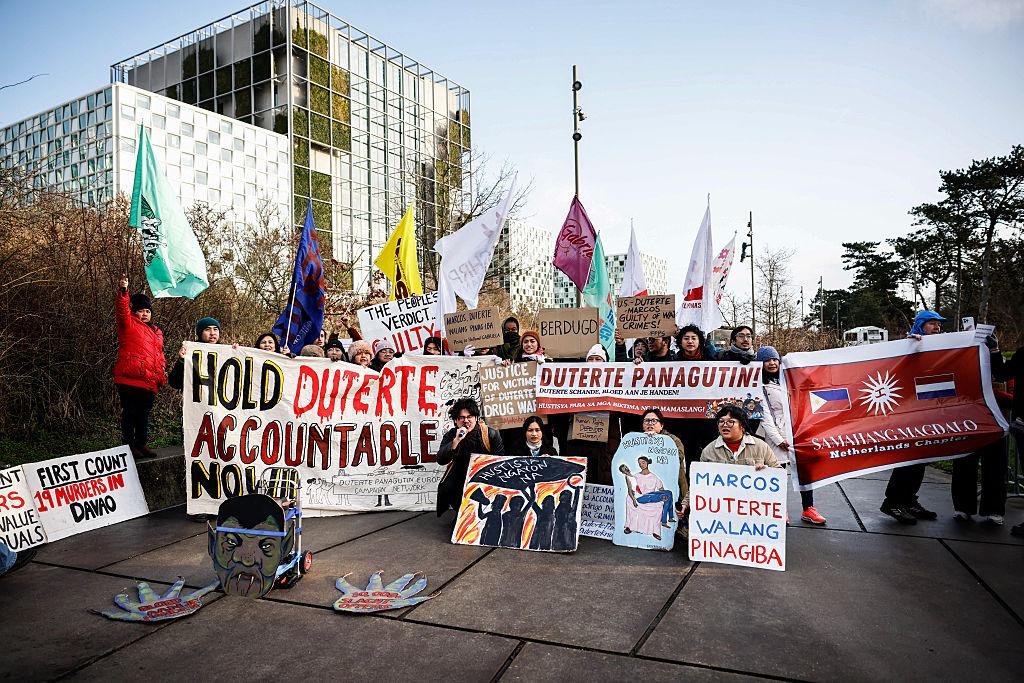
Despite the charges, Duterte retains strong support among sections of the public, with protests held against his detention, highlighting deep divisions within the Philippines over his legacy and the country’s approach to tackling crime.