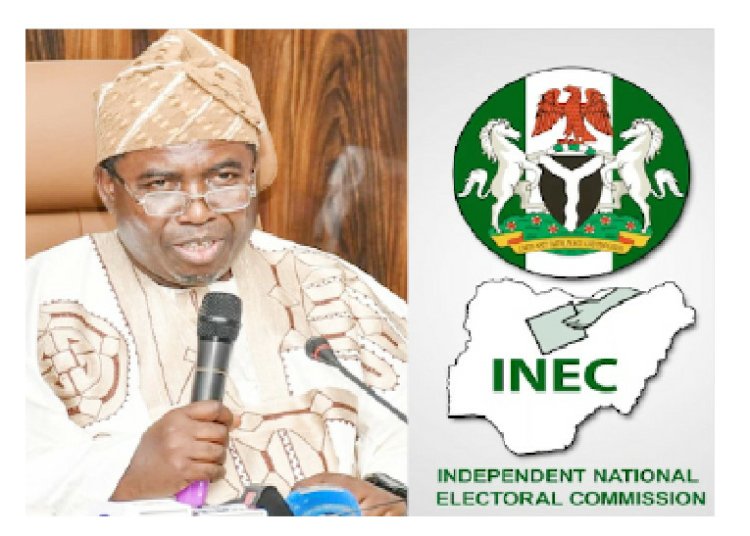
The Independent National Electoral Commission (INEC) has dismissed claims linking its Chairman, Prof. Joash Amupitan, to a controversial X (formerly Twitter) account, describing the development as a case of digital impersonation.

The commission said findings from an independent forensic investigation confirmed that the account and all posts attributed to the INEC chairman were fabricated and lacked any verifiable connection to him.
According to a statement issued by his Chief Press Secretary, Adedayo Oketola, the probe established that Prof. Amupitan “does NOT operate any personal X (Twitter) account,” stressing that the alleged posts were “fraudulent, forensically unverifiable, technically impossible, and part of a coordinated disinformation.”
The controversy began after viral screenshots circulated online, suggesting that the INEC chairman operated an account under the handle @joashamupitan and made a partisan comment, “Victory is sure.” The claims were further amplified by additional materials, including alleged email addresses, phone numbers, and Bank Verification Number (BVN) data, presented as proof of ownership. However, INEC said a comprehensive forensic analysis—using platform data, internet archives, and open-source intelligence tools—found no link between the account and the chairman.“The X account attributed to Prof. Amupitan is a clear case of impersonation.
All alleged posts, replies or statements linked to him are fraudulent and unverifiable,” the commission stated. Investigators also identified technical inconsistencies in the viral content, including a timestamp anomaly showing that the alleged reply was posted 13 minutes before the original message it responded to—an occurrence described as impossible on any digital platform.
Further findings revealed that the account underwent suspicious changes shortly after the screenshots gained traction, including a name change, restricted visibility, and eventual designation as a parody account—moves INEC described as attempts to obscure its origin. The commission added that similar impersonation patterns were detected across other social media platforms, pointing to what investigators characterised as a coordinated disinformation campaign.
INEC said the matter has been referred to law enforcement agencies for further investigation and possible prosecution under the Cybercrimes Act, while urging the public and media to avoid sharing unverified digital content.