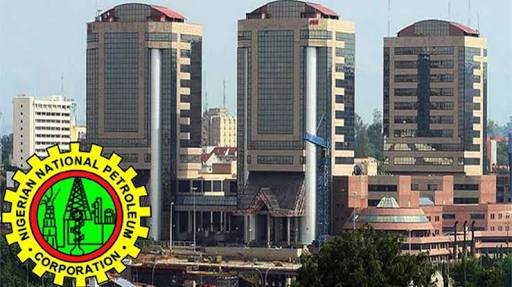
The Senate has directed the Nigerian National Petroleum Company Limited (NNPCL) to provide detailed explanations for ₦210 trillion flagged in its audited financial statements, setting April 29, 2026, as the deadline for compliance.

The directive was issued through the Senate Committee on Public Accounts, which expressed dissatisfaction with the company’s responses to 19 audit queries covering the period from 2017 to 2023. Chairman of the committee, Aliyu Wadada, said the explanations earlier submitted by NNPCL were inadequate, stressing that Nigerians deserve “clear, detailed and convincing responses” regarding the disputed figures.
“This committee, and by extension, the Senate, is not satisfied with the blanket explanation given by NNPCL on N103 trillion, which it claimed represents liabilities,” Wadada said. He noted that such liabilities typically include retention fees, legal fees, and audit fees, adding that “specific amounts spent on each of these components must be clearly stated and explained.”
The committee also demanded further clarification on an additional ₦107 trillion, which the company attributed to joint venture cash calls and funds allegedly owed by defunct banks whose identities were not disclosed.“Detailed explanations are also required for the N107 trillion,” Wadada added, insisting on transparency in the breakdown of the figures.
NNPCL’s Group Chief Executive Officer, Bayo Ojulari, is expected to appear before the committee alongside former GCEO Mele Kyari, ex-Chief Financial Officer Umar Ajia, Bala Wunti, and the company’s external auditors.“Consequently, it is resolved that NNPCL is given an additional two weeks to appear before this committee unfailingly. The deadline for compliance is Wednesday, April 29,” Wadada said.
Earlier, committee member Abdul Ningi called for stronger enforcement measures, citing repeated failures by NNPCL officials to honour invitations by the National Assembly.“We must treat this matter with utmost seriousness. The strength of democracy rests significantly on the authority of the legislature,” Ningi said, warning against a “growing reluctance” to comply with parliamentary summons.
The Senate’s move underscores mounting concerns over transparency and accountability in the management of public funds within Nigeria’s oil sector, with lawmakers insisting that the queried sum must be fully accounted for.