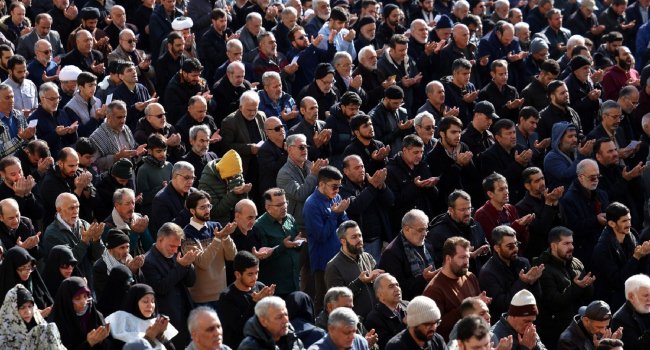
Iranians gathered to mark Eid al-Fitr with prayers, even as the ongoing war in the Middle East cast a shadow over the religious celebration.

Across parts of the country, worshippers assembled in mosques and designated prayer grounds, maintaining a key Islamic tradition despite heightened tensions and uncertainty brought about by the conflict.
Eid al-Fitr, which signifies the end of Ramadan, is typically marked by communal prayers, family gatherings, and festivities. However, this year’s observance has been subdued, as security concerns and economic strain linked to the war continue to affect daily life.
The broader regional conflict—now in its third week—has disrupted normal routines, with airstrikes, retaliatory attacks, and rising instability shaping the environment in which the celebrations are taking place.
Despite these challenges, many Iranians turned out for prayers, reflecting resilience and commitment to religious traditions even in difficult circumstances.
Analysts note that similar patterns are being seen across the Middle East, where the war has forced adjustments to Eid celebrations, including tighter security measures and restrictions on large public gatherings.
The situation underscores how deeply the conflict has affected civilian life, with even major religious observances taking place under the weight of ongoing hostilities.