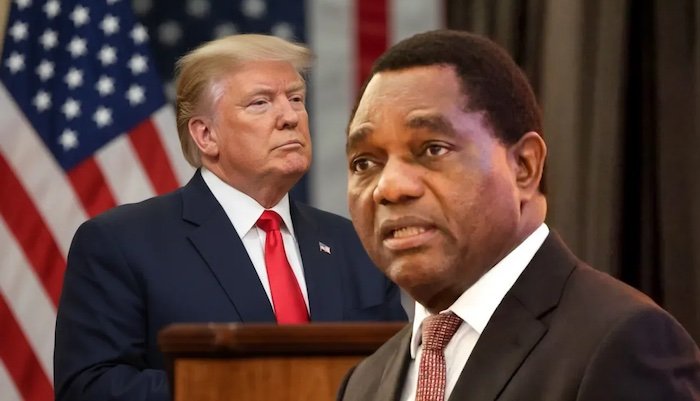
Zambia has declined a proposed more than $1 billion health funding package from the United States, becoming the latest African nation to push back against a controversial U.S. global health initiative that critics say comes with conditions misaligned with national priorities.

The Zambian Ministry of Health announced on Wednesday that the draft agreement — originally expected to be signed in November — “did not align with the position and interests of Zambia,” and has now been rejected in its current form.
The five-year deal, drawn up under the Trump administration’s global health strategy, was designed to support efforts to combat HIV, malaria and improve maternal, child and disease preparedness programmes. Under its terms, the U.S. would provide more than $1 billion in funding, while Zambia would contribute about $340 million in co-financing over the same period.
Officials said the agreement stalled after revised drafts included provisions that “did not align with the position and interests of the government of Zambia.” While the government maintained the pact focused on health, the lack of detail on specific contested sections has fuelled broader concerns.
Some analysts and health advocates have warned that contentious clauses could link funding to cooperation on mineral access and require extensive data-sharing arrangements, raising questions about sovereignty and security of citizens’ sensitive health information — issues similar to those raised by other countries that have challenged or rejected the initiative.
Zambia’s decision echoes a similar move by neighbouring Zimbabwe, which also declined a U.S. health funding deal worth about $367 million, citing concerns over data access and conditions perceived as unfavourable to national interests.
Despite the setback, Zambia’s government said it remains open to discussions on terms that are “clear, mutually agreed upon and fully aligned with Zambia’s national interests.”
The broader U.S. initiative has drawn mixed reactions across Africa, with at least 16 countries reported to have signed similar agreements, and others expressing reservations or pursuing legal reviews of their deals.