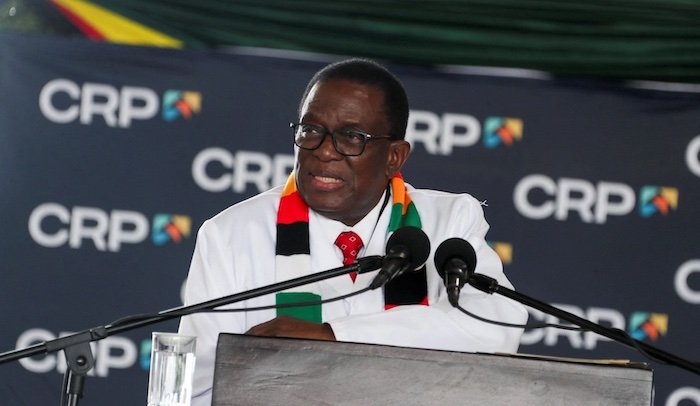
Zimbabwe is facing rising political tension after the cabinet approved proposed constitutional amendments that could allow President Emmerson Mnangagwa to remain in power until 2030, a move critics have described as a “constitutional coup.”

The proposals would extend presidential terms from five to seven years and introduce a system under which parliament — rather than voters — elects the president. Mnangagwa, 83, assumed office in 2017 following a military-backed transition that ended Robert Mugabe’s three-decade rule.
Although the amendments still require parliamentary approval, analysts say passage is likely because the legislature is dominated by the ruling Zanu-PF party.
Opposition leaders, legal experts and democracy advocates have strongly criticised the plan, warning that it undermines constitutional governance. Lawyer Tendai Biti described the proposals as unlawful, stating:
“The proposed amendments are illegal and unconstitutional in that they infringe the term limit provision of the constitution. More importantly they seek to do them outside two referendums.”
Biti argued that any change removing term limits should be approved through two separate referendums — one to amend the constitution and another to allow the incumbent to benefit from the changes.
Bulawayo Mayor David Coltart also called for a national vote, saying:
“Any amendment which has the ‘effect’ of extending an incumbent’s tenure should be subjected to a referendum.”
Professor Lovemore Madhuku, a constitutional expert, warned that the move was “totally unacceptable” and could trigger political instability, predicting a “painful struggle” ahead to defend the country’s democratic framework.
The cabinet, however, defended the proposals, saying the changes would “enhance political stability and policy continuity to allow development programmes to be implemented to completion.”
The amendments also include provisions allowing the president to appoint 10 additional senators, increasing the Senate’s size to 90 — a step critics say would further strengthen executive influence.
Public concern is growing amid Zimbabwe’s ongoing economic challenges, including inflation, unemployment and allegations of corruption. On the streets, citizen Augustine Kaswaurere reflected the sentiment, saying:
“A president should not rule for a long time, and it is preferable to serve for a short term and give others a chance.”
The ruling party’s so-called “2030 agenda” has been under discussion for months, with opposition groups pledging to “defend the constitution against its capture.” Attempts to protest the proposals have reportedly been met with police crackdowns and arrests, while a fragmented opposition continues to struggle to mount sustained resistance.