


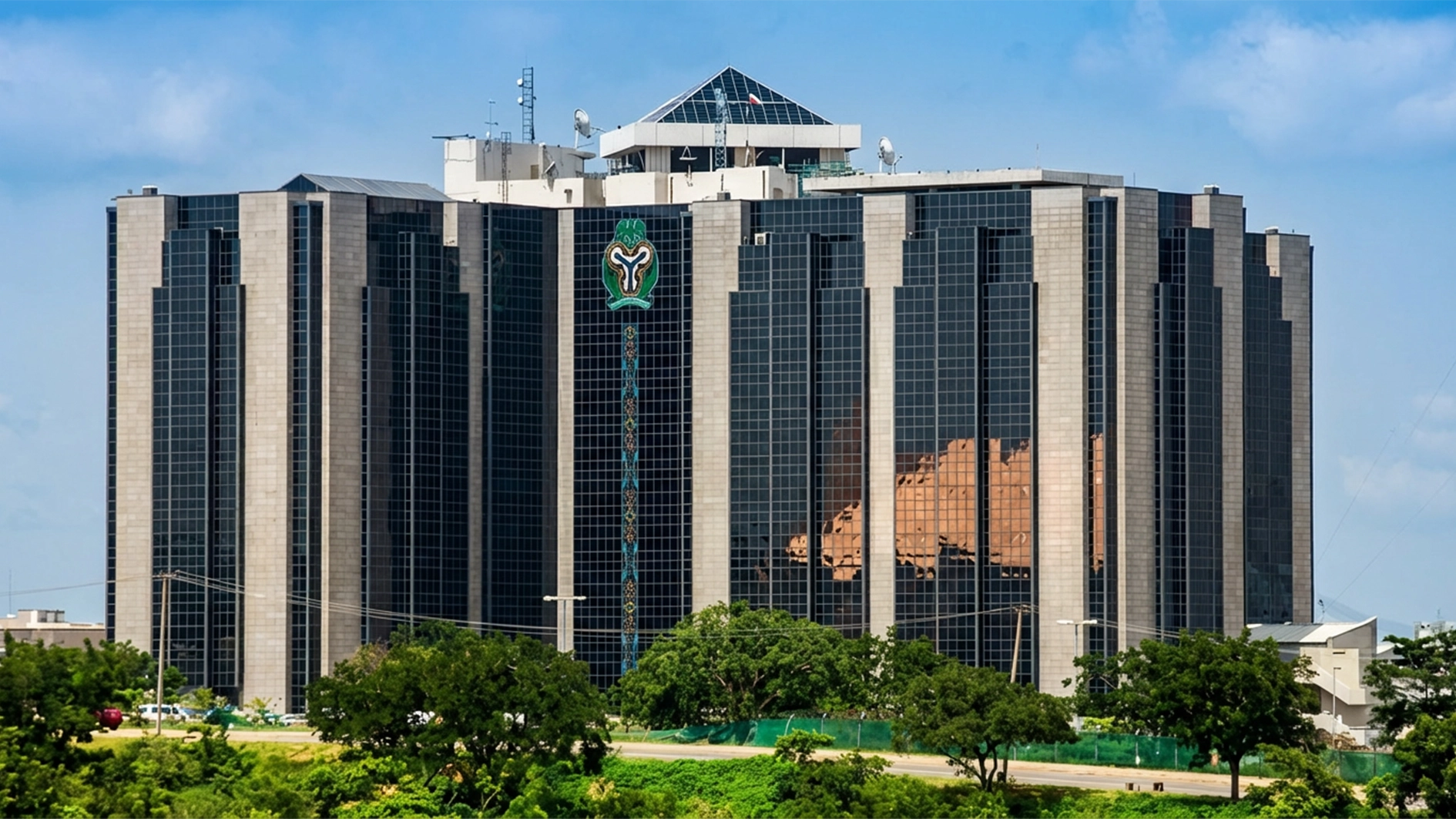
Deposits by Nigerian banks with the Central Bank of Nigeria (CBN) surged by 460 per cent year-on-year to N52.6 trillion in January 2026, reflecting excess liquidity in the financial system amid high interest rates and persistent risk concerns that continue to dampen private-sector lending.

Latest data from the apex bank showed that commercial and merchant banks increased their deposits with the CBN by N43.21 trillion, from N9.39 trillion recorded in January 2025 to N52.6 trillion as of January 2026. The sharp rise underscores banks’ growing preference for parking surplus funds with the CBN rather than expanding credit to the real sector.
Market analysts attributed the trend to abundant liquidity, attractive overnight interest rates, and a cautious lending posture driven by macroeconomic uncertainty. Banks typically place excess cash with the CBN through the Standing Deposit Facility (SDF) window, which offers relatively attractive overnight returns.
Industry operators said elevated policy rates and lingering credit risks have made the SDF a safe and profitable short-term option. According to data obtained by THISDAY, total deposits by banks and merchant banks with the CBN climbed to an estimated N336.2 trillion in 2025, representing a 777.2 per cent increase from N38.33 trillion recorded in 2024.
Analysts described the surge as a clear indication of heightened caution within the banking system. They noted that concerns over credit quality, weak risk appetite and the relative safety of the CBN window have encouraged banks to preserve capital and earn risk-free returns rather than lend aggressively.
In 2025, the CBN adjusted the standing facilities corridor around the Monetary Policy Rate (MPR) to +50 basis points and -450 basis points from the previous +250/-250 basis points, following a reduction in the MPR to 27 per cent from 27.5 per cent. The move signalled a cautious shift toward easing, while maintaining a tight overall policy stance.
A report by Cordros Research following the November 24–25, 2025, meeting of the Monetary Policy Committee (MPC) noted that the SDF rate was reduced to 22.5 per cent from 24.5 per cent, while the Standing Lending Facility (SLF) rate fell to 27.5 per cent from 29.5 per cent, in line with the revised corridor around the MPR.
Cordros Research further observed that the MPC retained the MPR at 27 per cent, contrary to expectations of a 100 basis points cut, despite recent disinflationary trends and the appreciation of the naira. The committee maintained that inflation remained elevated at double-digit levels, requiring sustained tight monetary conditions to consolidate the disinflation process.
Commenting on the policy adjustments, the research firm stated: “This indicates a reduction in interest rates for the SLF and the SDF, which is expected to ease monetary conditions and support banks’ private sector credit expansion.”
Looking ahead to 2026, Cordros Research analysts projected that inflationary pressures would continue to moderate, supported by naira stability, improved agricultural output and relatively stable petroleum prices. However, they cautioned that with inflation expected to remain in double digits, any interest rate cuts would likely be gradual.
For now, the rapid growth in banks’ deposits with the CBN highlights the tension between abundant liquidity and subdued risk appetite, raising questions about how quickly monetary easing can translate into stronger credit growth and increased real sector activity.