

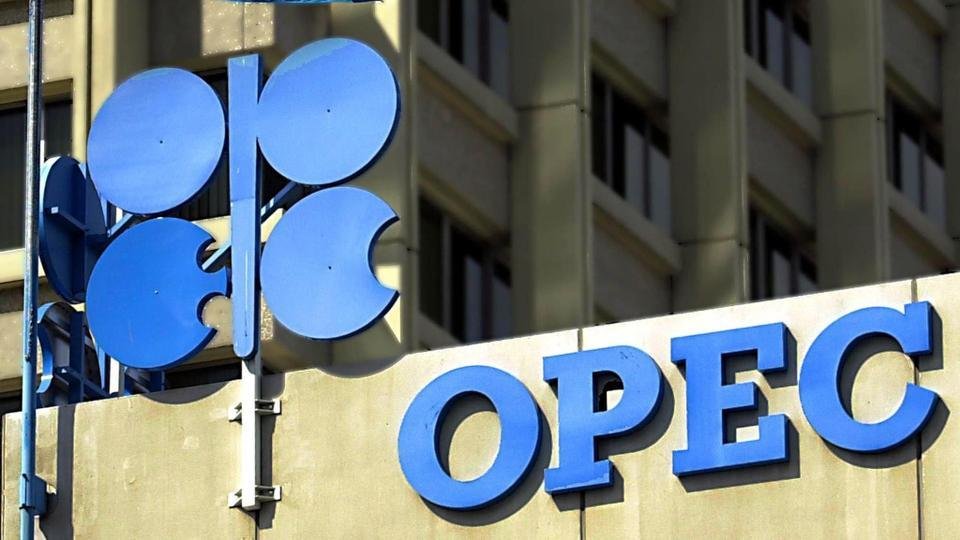
Global oil prices remained elevated on Monday as OPEC+ agreed in principle to maintain a pause in planned oil output increases for March.

Bonny Light crude traded at $78.62 per barrel, while Brent crude, which closed at $70 per barrel at the end of last week, remained steady at the same level. U.S. West Texas Intermediate (WTI) crude also held firm at $65.21 per barrel.
The price stability followed a decision by eight OPEC+ member countries to extend their production pause, according to three OPEC+ sources and a draft statement seen by Reuters ahead of Sunday’s meeting. The agreement came despite crude prices climbing to six-month highs amid concerns that the United States could launch a military strike on OPEC member Iran.
Brent crude closed near $70 a barrel last Friday, close to the six-month peak of $71.89 recorded on Thursday, even as speculation persists that a potential supply glut in 2026 could weigh on prices.
The eight producers — Saudi Arabia, Russia, the United Arab Emirates, Kazakhstan, Kuwait, Iraq, Algeria and Oman — had earlier increased production quotas by about 2.9 million barrels per day between April and December 2025, representing roughly three per cent of global oil demand.
In November, the group froze further planned increases for January through March 2026, citing seasonally weaker consumption. Sunday’s brief meeting reaffirmed the decision for March, following similar confirmations for January and February.
However, the statement offered no guidance on production decisions beyond March, a development analysts say is significant.
“With rising uncertainty around Iran and U.S. tensions, the group is keeping all options firmly on the table,” said Jorge Leon, a former OPEC official and head of geopolitical analysis at Rystad Energy.
“OPEC’s own numbers point to a lower call on OPEC+ crude in the second quarter, which could limit the scope for production increases,” Leon added.
OPEC+ comprises the Organization of the Petroleum Exporting Countries and allies including Russia, collectively accounting for about half of global oil production.
Meanwhile, the Joint Ministerial Monitoring Committee (JMMC), a separate OPEC+ panel without decision-making authority on production policy, also met on Sunday. The committee emphasised the need for full compliance with existing output agreements, according to a statement on OPEC’s website.
Oil prices have also been supported by supply disruptions in Kazakhstan, where the energy sector has faced repeated operational challenges in recent months. Authorities in the country, however, said last Wednesday that the massive Tengiz oilfield was being restarted in stages.
Geopolitical tensions continue to influence the market, with U.S. President Donald Trump reportedly weighing options on Iran, including targeted strikes against security forces and leadership, while Washington maintains sweeping sanctions aimed at restricting Tehran’s oil revenue. Both the U.S. and Iran have since signalled openness to dialogue.
The eight OPEC+ countries are scheduled to hold their next meeting on March 1, while the JMMC is expected to meet again on April 5.